
Resources · 8 min read
The Only SEO Checklist You Will Ever Need (2026 Edition)
A practical 2026 SEO checklist: technical foundation, on-page, content, local, links, and tracking, in the order that actually moves rankings.

Share

Key takeaways
- SEO works best when you execute the basics consistently and in order, not when you chase secret tactics.
- Fix the technical foundation first: speed, crawlability, indexing, HTTPS, and mobile usability can block everything above them.
- On-page SEO depends on unique titles, useful meta descriptions, clean heading structure, quality content, internal links, and optimized images with alt text.
- Content strategy is guided by keyword research, search intent, competitor gaps, and the real questions customers ask.
- Measure with Search Console, Analytics, rank tracking, regular reporting, and defined conversion goals, or SEO stays guesswork.
SEO does not have to be complicated. The industry loves to make it feel mysterious, full of secret tactics and insider knowledge, but most websites underperform because they skip the basics, not because they are missing some advanced trick. This checklist strips out the noise and walks through the optimizations that actually move rankings, in the order you should do them.
Work through it from top to bottom. Fix the technical foundation first, then optimize your existing pages, then build out content. The order matters, because a technical problem can quietly cancel out everything you do later.
What should you fix first in an SEO checklist?
Fix the technical foundation first, because search engines cannot rank what they cannot crawl and index. Speed, crawlability, indexing, HTTPS, and mobile usability all sit underneath keywords and content, so a problem at this layer blocks everything above it.
What site speed targets should you hit?
Site speed is both a ranking factor and a conversion factor, so it earns its place at the top of the list. Pass Core Web Vitals, the three metrics (LCP, INP, and CLS) Google uses to score page experience, and you have cleared the most important speed bar. Check them in Google Search Console and confirm all three sit in the green.
Beyond the vitals, aim for a page load under three seconds, with mobile prioritized over desktop since Google ranks on the mobile experience. The supporting work is familiar: optimize images by serving WebP and compressing without visible quality loss, minify your CSS, JavaScript, and HTML for production, and enable browser caching so returning visitors load faster. If you want the full method for diagnosing speed, see our performance audit guide.
How do you make sure your site is crawlable and indexed?
Crawlability comes down to a handful of checks. Submit an XML sitemap to Google Search Console and Bing Webmaster Tools. Verify your robots.txt is not accidentally blocking pages you want indexed, which is a more common mistake than it should be. Watch Search Console for crawl errors like 404s, server errors, and redirect loops. Keep URLs clean, readable, and descriptive. And confirm HTTPS is enabled across the whole site, which is non-negotiable now that browsers flag insecure pages.
What does mobile optimization require?
Mobile optimization means the site works well on a phone, which is the version Google actually ranks. Pass Google's mobile-friendly test, use responsive design that adapts to every screen size, and size touch targets so buttons and links are easy to tap. Make sure there is no horizontal scrolling and that text is legible without zooming. If a page fails on mobile, fixing it usually helps desktop too, rarely the other way around.

What should every page have for on-page SEO?
Every page needs a unique title tag, a unique meta description, a clear heading structure, quality content, internal links, external links where appropriate, and optimized images with alt text. On-page SEO is about making each page legible to both search engines and readers.
Start with the title tag. It should be unique to the page, lead with the primary keyword when that reads naturally, stay under 60 characters so it is not truncated in results, and actually invite a click, because a ranking with no clicks is wasted. The meta description follows the same logic: unique to the page, under about 160 characters, written to earn the click, with the target term included naturally so it appears bold in results.
Headings give the page its structure. Use a single H1 that carries the primary keyword, then a logical hierarchy of H2s and H3s with no skipped levels. Make headings descriptive enough that a reader skimming only the headings still understands the page. Search engines read structure the same way, and increasingly so do AI answer engines pulling extractable passages.
Content quality is what actually earns the ranking. Cover the topic comprehensively enough to answer the related questions a reader would have, offer original information rather than a rephrasing of whatever ranks above you, and format it with paragraphs, lists, and images so it is readable rather than a wall of text. Link internally to related pages so readers and crawlers can discover more, and cite authoritative external sources where it strengthens the point.
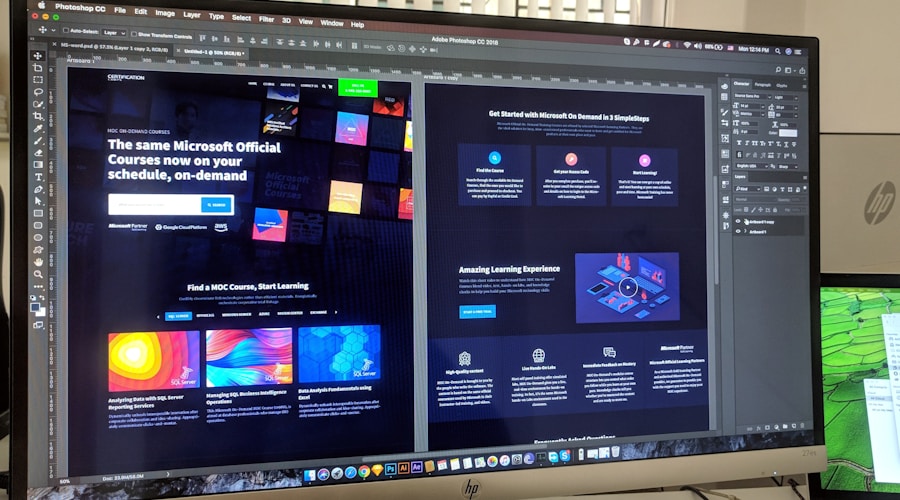
Images need their own attention. Give them descriptive file names before uploading, write alt text that genuinely describes the image for both accessibility and search, keep file sizes small so they do not drag down load time, and use images that add value rather than decoration.
How should you build a content strategy?
A content strategy is guided by keyword research, search intent, competitor gaps, and the questions your customers actually ask. Technical and on-page work get you into the game; content is what wins it.
Begin with keyword research. Identify a primary keyword for each page so you know exactly what it targets, and understand the intent behind it, whether the searcher wants to buy, learn, or compare. Assess the competition honestly and aim for terms you can realistically rank for, including longer-tail variations that capture specific, lower-competition queries.
Then find the gaps. Look at what competitors rank for that you do not cover, document the questions customers ask you that your site does not yet answer, and put the results into a content calendar so publishing stays regular rather than sporadic. The questions your customers ask are often the highest-value content you can write, because they map directly to real search intent.
When does local SEO matter?
Local SEO matters when your business serves a specific geographic area, like a clinic, a firm, or a shop with a service region. If that is you, a few extra steps are essential.
Claim and fully complete your Google Business Profile, filling every field and adding photos regularly. Keep your NAP, your name, address, and phone number, identical across every directory, because inconsistency confuses both customers and search engines. Work local terms like city and region names into your content naturally. Actively manage reviews by responding to all of them and encouraging satisfied customers to leave feedback. And add local schema markup so search engines understand your location and business details.
How do you build links the right way?
Links remain a ranking factor, but quality matters far more than quantity, and chasing volume is how sites get into trouble. The durable approach is to create content worth referencing, then earn links to it.
Practically, that means publishing link-worthy content others want to cite, listing in relevant and legitimate industry directories, and looking for broken-link opportunities where you can offer your content as a replacement for a dead link on a relevant site. Research guest-posting opportunities at quality publications in your industry. And if you find spammy links pointing at your site, identify and disavow them. One genuinely earned link from a respected source outweighs dozens of low-quality ones.
How should SEO performance be measured?
SEO without measurement is guesswork, so connect the tools that show what is working. Set up Google Search Console to monitor impressions, clicks, and average position. Install Google Analytics to track organic traffic, behavior, and conversions. Add rank tracking to follow your target keywords over time, establish a regular reporting rhythm so you actually review the trends, and define conversion goals so you know what action you want organic visitors to take. Without that last step, you can rank well and still not know whether SEO is helping the business.
Putting it all together
SEO success comes from executing the fundamentals consistently, not from chasing algorithm updates or shortcuts. Work the checklist in order: clear technical issues first because they can block everything else, then optimize your existing pages, then expand with content targeting valuable keywords. For the bigger picture on why sites fail to gain traction, see our guide on why most websites don't survive their first year.
The businesses that rank well are not doing anything magical. They are doing the basics consistently while competitors cut corners or hunt for tricks. SEO is a long game, so start now and stay steady, and the results follow.
If working through all of this feels like a lot, you do not have to do it alone. Book a call with Studio Aurora and we will help you put a real SEO foundation in place.
Related service
Web design services in the PhilippinesFrequently asked questions
What should I fix first in this SEO checklist?
Fix the technical foundation first. Search engines cannot rank what they cannot crawl and index, so address speed, crawlability, indexing, HTTPS, and mobile usability before keywords and content.
What site speed targets does the checklist recommend?
Pass Core Web Vitals (LCP, INP, and CLS) in the green, aim for a page load under three seconds with mobile prioritized, optimize and compress images, minify CSS/JS/HTML, and enable browser caching.
What should every page have for on-page SEO?
Every page should have a unique title tag, a unique meta description, a clear single-H1 heading structure, quality original content, internal links, external links where appropriate, and optimized images with descriptive alt text.
When does local SEO matter?
Local SEO matters when a business serves a specific geographic area. The essentials are a fully optimized Google Business Profile, consistent NAP details across directories, local keywords, active review management, and local schema markup.
How should SEO performance be measured?
Connect Google Search Console, install Google Analytics, set up rank tracking for target keywords, establish regular reporting, and define conversion goals so you know what organic visitors should do once they arrive.
Invisible
on Google?
We build sites that actually get found. Let's talk about your search visibility.
Get in touchResources · Apr 6
Google Algorithm Updates in 2026: What Changed and How It Affects Your Website Rankings
Resources · Mar 16
How to Migrate Your Website to a New Domain Without Losing SEO Rankings
Business · Feb 23
Local SEO for Small Businesses: How to Dominate Google Maps and Local Search Results
Development · Feb 18