
Development · 7 min read
Why Most Websites Fail in the First Year (And How to Avoid Their Fate)
Most business websites fail quietly in their first year, and the reasons are predictable. Here are the common mistakes and how to avoid them.

Share
Key takeaways
- Most websites fail because they are built around presence instead of a specific, measurable goal.
- Designing for the owner's taste instead of the customer's needs is the most common cause of failure.
- Slow load times and a poor mobile experience lose Philippine visitors before they ever read your headline.
- Hidden calls to action and no analytics make it impossible to convert visitors or fix what is broken.
- Sites that succeed start with strategy, design for the customer, and keep improving after launch.
Most business websites fail in their first year, and they fail quietly. They launch with a small celebration, collect a few compliments, then fade while the owner waits for a phone that never rings. The failures are not random or mysterious. After working on and rescuing dozens of sites for Philippine businesses, the same patterns show up again and again, and they are almost always avoidable once you know what to look for.
A website fails when it stops doing the one job it was built to do: turn visitors into customers. It can look polished and still fail. It can win design awards and still fail. The sites that succeed share a few habits, and the sites that fail share a few mistakes. This guide walks through the most common reasons Philippine websites underperform in year one and what to do instead. For the bigger picture on what a serious build involves, see our web design guide for the Philippines.
Why do most websites fail in the first year?
Most websites fail because they were built around presence instead of purpose. The owner wanted "to be online" rather than to generate a specific result, so nobody designed the site to convert, measured whether it did, or improved it afterward. Presence is not a goal a website can be judged against, and a site that cannot be judged cannot be fixed.
The pattern repeats across industries. A clinic, a contractor, a consultancy, and a retailer all launch sites that look fine and produce nothing, because no one defined what "producing something" would even mean. The fix starts before any design work: decide what the site is supposed to do, then build toward that.

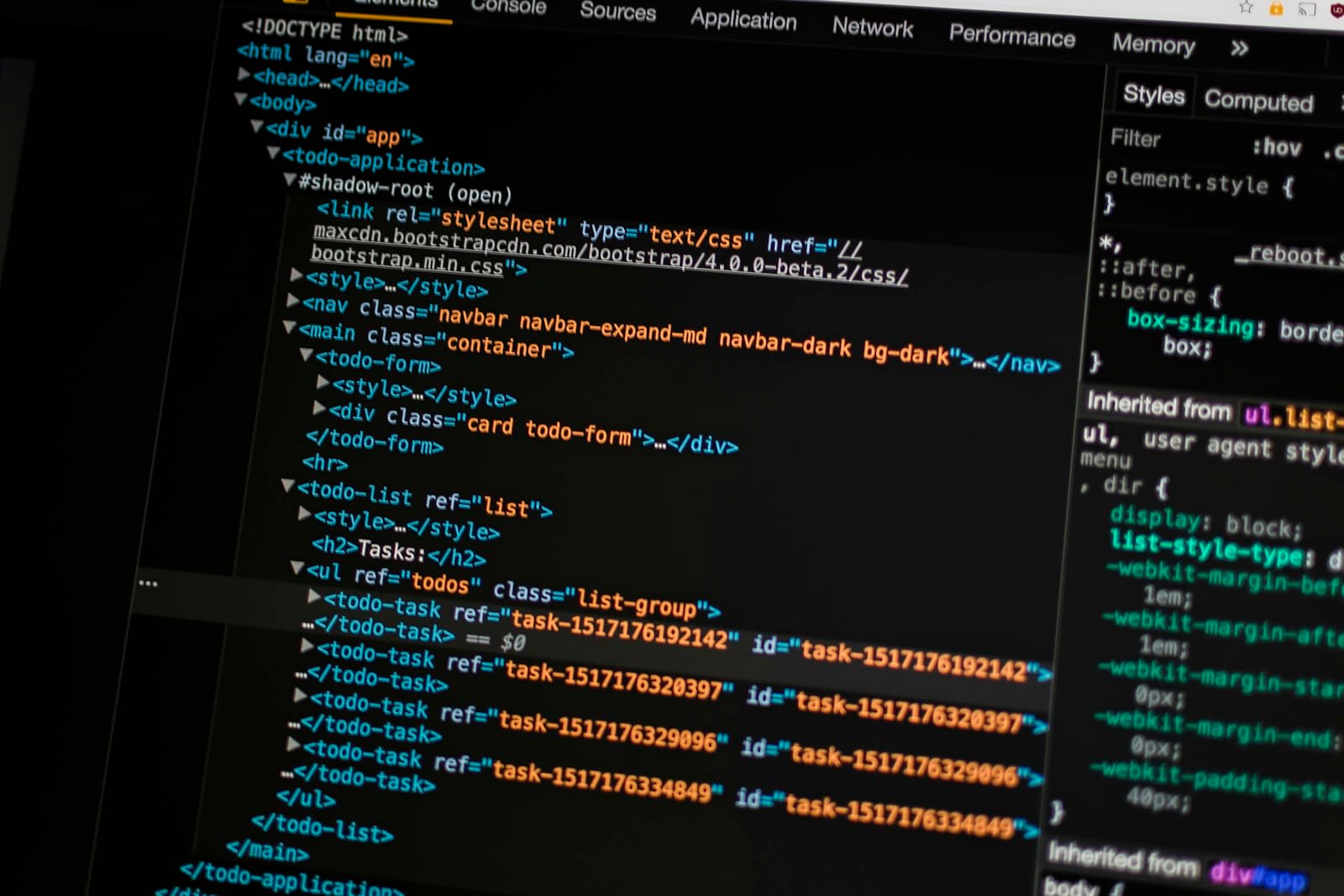
Photo by Austin Distel on Unsplash
What are the most common reasons websites fail?
The failures cluster into a handful of mistakes. Most struggling sites have at least three of them, and the worst have all of them at once.
No clear purpose
The most common failure is also the most basic. Ask a struggling owner what their website is for and you usually hear "build our brand" or "have an online presence." Those are wishes, not goals. A goal is something you can design for and measure, such as "generate qualified inquiries every month" or "convert a meaningful share of visitors into bookings." Without one, every later decision is a guess.
Designed for the owner, not the customer
This kills more sites than any technical fault. Owners pick colors, fonts, and layouts based on personal taste rather than what helps a visitor understand the offer and act on it. Your favorite color does not matter. What matters is whether a stranger can grasp what you do in a few seconds and feel confident taking the next step.
Treating the site as set-and-forget
A website is not a brochure you print once and distribute forever. The sites that win are treated as living assets that get reviewed and improved against real performance. As we cover in our guide to treating your website as a sales asset, the businesses that keep adjusting based on actual data are the ones that pull ahead.
Slow load times
Speed is not a finishing touch. A slow site loses visitors before they ever read your headline, and it quietly drags down your search ranking at the same time. Many Philippine sites feel fast on office WiFi but crawl on a phone over mobile data, which is how most local visitors actually arrive. We go deep on this in our guide to how page speed affects your revenue.

Photo by Luke Chesser on Unsplash
Treating mobile as an afterthought
In the Philippines, mobile is not a segment, it is the majority of traffic for most businesses. A site designed for desktop first and squeezed onto phones later frustrates the people you most need to reach. If the mobile experience is awkward, you are losing most of your potential customers at the door.
Hidden calls to action
We regularly audit sites where the way to contact the business is buried three scrolls down or stuffed into the footer, then the owner wonders why nobody reaches out. A visitor should never have to hunt for the next step. Make it obvious, repeat it, and tell people what happens after they click.
No measurement
If you are not tracking, you are guessing, and guessing is expensive. Successful businesses know where their visitors come from, which pages they view, where they drop off, and what turns them into customers. Without that, you cannot tell a working site from a broken one until the year is gone.
How do you avoid these website failures?
You avoid them by reversing each mistake before launch, not after. Start with strategy: define what success looks like and how you will measure it. Then design for the customer rather than your own taste, build for speed and mobile from the first line of code, make the call to action impossible to miss, and put basic analytics in place so you can see what is actually happening.
The businesses that succeed online share four habits. They start with a measurable goal. They filter every decision through "does this help the visitor." They treat the site as an investment rather than an expense to minimize. And they keep improving after launch instead of walking away. If you are about to go live, our 50-step launch checklist covers the technical pitfalls that derail so many first-year sites.
Is it cheaper to fix a failing website or rebuild it?
It depends on how many of these problems the site has and how deep they run. A site with one or two issues, such as a weak call to action or missing analytics, is usually worth fixing. A site that fails on purpose, design, speed, and mobile at once is often cheaper to rebuild than to patch, because each fix fights the foundation underneath it. The honest answer comes from an audit, not a guess.
This is also why a cheap initial build so often costs more in the end. A site built to skip strategy, speed, and mobile rarely survives its first year, so you pay twice. We unpack that math in our guide to the hidden costs of cheap websites.
Take an honest look at your site
Run your own site against the list above. If it trips more than two of these, you have real work to do, and that is good news, because every one of them is fixable. You can learn the lessons the slow and expensive way, or you can start from what already works.
If you want a straight read on where your site stands and what it would take to turn it into something that actually generates business, book a call and we will walk through it with you. You can also see how we approach this for Philippine businesses on our web design services page.
Related service
Web design services in the PhilippinesFrequently asked questions
Why do most websites fail in the first year?
Most websites fail because they were built around presence instead of purpose. The owner wanted to be online rather than to generate a specific result, so the site was never designed to convert, never measured, and never improved after launch.
What is the first step to avoiding website failure?
Start with strategy. Define exactly what success looks like and how you will measure it before any design work begins, such as a target number of qualified inquiries or bookings per month. A site you cannot judge is a site you cannot fix.
Why does website speed matter so much in the Philippines?
Most Philippine visitors arrive on a phone over mobile data, where a slow site loses them before the page finishes loading. Speed also affects search ranking, so a slow site quietly loses both visitors and visibility.
What makes a call to action effective?
An effective call to action is obvious, repeated, and specific about what happens next. Visitors should never have to hunt for how to contact you or book, and they should know what to expect after they click.
Is it cheaper to fix a failing website or rebuild it?
It depends on how deep the problems run. A site with one or two issues is usually worth fixing, while a site that fails on purpose, design, speed, and mobile at once is often cheaper to rebuild than to patch. An audit gives the honest answer.
Let's build something
great together
Have a project in mind? We'd love to hear about it and explore how we can help bring your vision to life.
Get in touchPillar guideBusiness · Jan 26
Why Your Website Is Your Most Important Sales Asset
Business · Feb 20
Why Your Business Needs a Website in 2026 (The Data Behind the Decision)
Resources · Feb 16
Landing Page vs Website: When You Need One, the Other, or Both
Business · Jan 26