
Business · 8 min read
Local SEO for Small Businesses: How to Dominate Google Maps and Local Search Results
How Philippine small businesses win Google Maps and local search: Google Business Profile, NAP consistency, location pages, reviews, and tracking.

Share

Key takeaways
- Local SEO puts your business in front of nearby searchers with high intent, like someone Googling "dentist near me" in Manila.
- Google ranks local results on relevance, distance, and prominence, and you can influence all three.
- A complete, active Google Business Profile is the foundation of local SEO in the Philippines.
- Your website supports local rankings with distinct location pages, NAP consistency, LocalBusiness schema, and local content.
- Consistent citations, local links, and tracking over three to six months strengthen and prove your local SEO.
Local SEO is the practice of getting your business to show up when someone nearby searches Google for what you sell. For a Manila dental clinic, a Cebu accounting firm, or a plumber in Quezon City, it is the most direct line to customers who already want to buy. Someone typing "dentist near me" or "aircon repair Makati" is not browsing. They are ready to call.
Yet most small businesses in the Philippines treat local SEO as an afterthought. They have a website, maybe a Google Business Profile they set up once and never touched, and they assume that is enough. It is not. The businesses that own the local map pack are running a deliberate strategy, and they collect the calls while their competitors wonder why the phone stays quiet.
This guide walks through how local search works in the Philippines and exactly what to fix, from your Google Business Profile to your website to off-site signals.
What is local SEO and how do local results work?
Local search results appear in two formats. The map pack is the block of three businesses shown with a Google Map near the top of the results. The organic listings sit below it. Both matter, but the map pack is the prize, because it is the first thing a searcher sees and it carries the phone number, directions, and reviews in one glance.
Google ranks local results using three factors: relevance, distance, and prominence. Relevance is how well your business matches what the person searched. Distance is how close you are to the searcher or the area they named. Prominence is how established and well-reviewed your business looks across the web. You can influence all three through your website and your off-site presence.
How should a Philippine business optimize its Google Business Profile?
Your Google Business Profile is the foundation of local SEO. It feeds the map pack directly and shapes how you appear when someone searches your business name. Most owners set it up once and forget it. The ones who rank treat it as an active channel.
Complete every section
Fill out every field Google offers: business description, categories, services, hours, attributes, and photos. A complete, accurate profile gives Google more to match against and gives a searcher more reason to trust you. Write your description in plain language with the terms people actually search, for example "full-service accounting firm serving small businesses in Cebu City" rather than just "accounting firm."
Post regularly
Google Business Profile has a built-in posting feature most businesses ignore. Short posts about recent work, a seasonal promo, or a quick tip signal that the business is active. They also surface in your profile when someone searches your name, giving you more space in the results.
Manage reviews proactively
Reviews are one of the strongest local signals, and in the Philippines they often decide the click, since buyers lean heavily on what other Filipinos say. Ask every happy client for a review and link them straight to your profile to make it easy. Respond to every review, good or bad, in a calm and human way. Never buy fake reviews. Google's detection is good, and a fake-review penalty does far more damage than a slow week of real ones.

What is your website's role in local SEO?
Your Google Business Profile links to your website, and what is on that website shapes how Google understands your business. A site built for local search needs a few specific things in place.
Location pages
If you serve more than one area, give each one its own page with genuinely distinct content. A plumbing company covering Metro Manila should have separate pages for Makati, Quezon City, Pasig, and Mandaluyong, each written about serving that specific area rather than copied and find-replaced. These pages target "[service] in [city]" searches, which are the highest-intent local queries there are. Thin, near-duplicate location pages do not work, so write each one for real.
NAP consistency
Your business Name, Address, and Phone number should be identical everywhere they appear: your website, Google Business Profile, Facebook, and any directory listing. Even small mismatches, like "St." in one place and "Street" in another, or two different mobile numbers, weaken the signal that all these listings point to the same business. Pick one format and use it everywhere.
Local schema markup
LocalBusiness schema is structured data added to your website that tells Google in a machine-readable form what your business is, where it operates, when it is open, and what it offers. It helps Google place you correctly and can produce richer search listings. If you are unsure whether your site has it, that is a question for whoever built the site, or a reason to work with a team that bakes it in. It is part of how we build at Studio Aurora.
Content that targets local searches
Write content around the things your local customers actually search. "How much does a kitchen renovation cost in Metro Manila?", "Best months to repaint a house in Cebu", or "BIR tax tips for Manila small businesses" all pull in nearby visitors and build your authority for your service area. A few genuinely useful local articles do more than a dozen generic ones.
Which directories and citations matter in the Philippines?
A citation is any mention of your business name, address, and phone number on another website. Citations remain a core local ranking signal, and consistency matters more than volume. Focus on the listings that count: Google Business Profile, Facebook, Apple Maps, and the directories that are well known in your industry locally. Avoid mass-submission services that blast your details to hundreds of low-quality directories, since inconsistent or spammy listings hurt more than they help.
How do local links help, and how do you earn them?
Links from other local businesses and organizations carry real weight for local SEO because they tie your business to your community. Sponsor a barangay or charity event and get a link from their page. Join your local chamber of commerce. Partner with a complementary business for a cross-promotion. Write a guest post for a respected local blog. Each of these tells Google you are an active, established part of the area you serve.
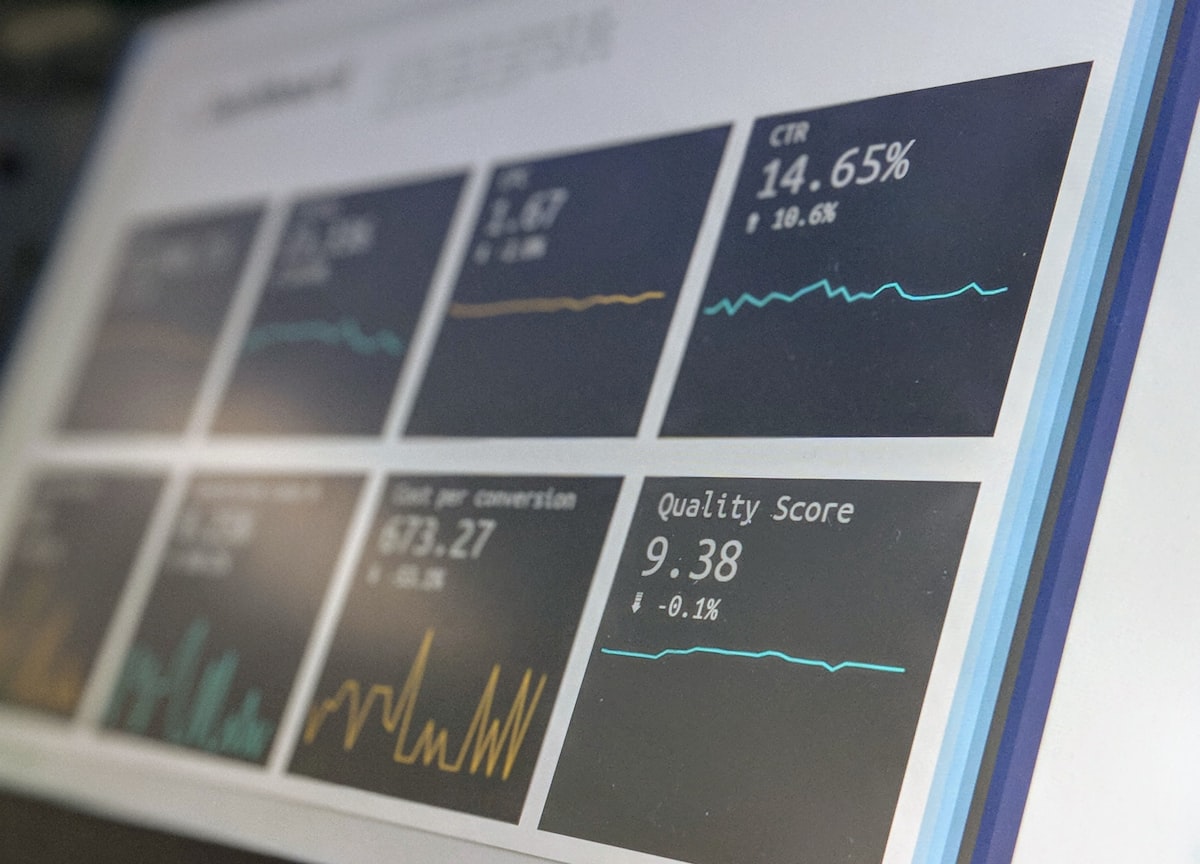
How do you track local SEO performance?
Watch a handful of signals rather than chasing everything. Google Business Profile insights show how people find you and what they do (calls, direction requests, website clicks). Track your map pack position for your main terms, your organic rankings for local searches, and the share of website traffic and conversions coming from your area.
Local SEO moves slower than paid ads but compounds, so judge it over three to six months, not three to six days. A profile that is complete and active, paired with a website built to convert, is the most efficient growth engine a small Philippine business can build.
If you want that built properly from the start, our web design service for the Philippines and our Manila and Cebu pages cover how we approach local-ready sites, and you can always book a call to talk through your specific case.
Frequently asked questions
What are the main parts of local search results?
Local results usually include the map pack, the block of three businesses shown with a Google Map at the top, and the organic listings below it. The map pack is the most valuable spot because it shows your reviews, phone number, and directions at a glance.
What does Google use to rank local businesses?
Google uses relevance (how well you match the search), distance (how close you are to the searcher or named area), and prominence (how established and well-reviewed you look online). You influence all three through your Google Business Profile, your website, and off-site signals like reviews and citations.
How should a small business optimize its Google Business Profile?
Complete every section accurately, write your description with the terms people actually search, post regularly, and manage reviews actively. Ask happy clients for reviews, respond to every review, and never buy fake ones.
Why does NAP consistency matter for local SEO?
Your Name, Address, and Phone number should match exactly everywhere they appear online. Mismatches make it harder for Google to confirm that all your listings describe the same business, which weakens your local ranking signals.
How can a business track local SEO performance?
Track Google Business Profile insights (searches, views, calls, direction requests), your map pack position for target terms, organic rankings for local searches, and conversions from local visitors. Review trends over three to six months, since local SEO compounds slowly.
How long does local SEO take to work in the Philippines?
A complete, active Google Business Profile can start surfacing in local results within a few weeks, especially in less competitive areas. Building durable map pack and organic rankings in a competitive city like Manila or Cebu usually takes a few months of consistent work.
Related service
Web design services in the PhilippinesFrequently asked questions
What are the main parts of local search results?
Local results usually include the map pack, the block of three businesses shown with a Google Map at the top, and the organic listings below it. The map pack is the most valuable spot because it shows your reviews, phone number, and directions at a glance.
What does Google use to rank local businesses?
Google uses relevance (how well you match the search), distance (how close you are to the searcher or named area), and prominence (how established and well-reviewed you look online). You influence all three through your Google Business Profile, your website, and off-site signals like reviews and citations.
How should a small business optimize its Google Business Profile?
Complete every section accurately, write your description with the terms people actually search, post regularly, and manage reviews actively. Ask happy clients for reviews, respond to every review, and never buy fake ones.
Why does NAP consistency matter for local SEO?
Your Name, Address, and Phone number should match exactly everywhere they appear online. Mismatches make it harder for Google to confirm that all your listings describe the same business, which weakens your local ranking signals.
How can a business track local SEO performance?
Track Google Business Profile insights (searches, views, calls, direction requests), your map pack position for target terms, organic rankings for local searches, and conversions from local visitors. Review trends over three to six months, since local SEO compounds slowly.
How long does local SEO take to work in the Philippines?
A complete, active Google Business Profile can start surfacing in local results within a few weeks, especially in less competitive areas. Building durable map pack and organic rankings in a competitive city like Manila or Cebu usually takes a few months of consistent work.
Invisible
on Google?
We build sites that actually get found. Let's talk about your search visibility.
Get in touchPillar guideResources · Jan 26
The Only SEO Checklist You Will Ever Need (2026 Edition)
Resources · Apr 6
Google Algorithm Updates in 2026: What Changed and How It Affects Your Website Rankings
Resources · Mar 16
How to Migrate Your Website to a New Domain Without Losing SEO Rankings
Development · Feb 18