
Business · 7 min read
Hotel and B&B Websites: Driving Direct Bookings Over OTA Commissions
How a direct-booking website helps Philippine hotels and B&Bs cut OTA commissions: integrated booking engines, room pages, hotel SEO, and mobile GCash payments.

Share
Key takeaways
- OTA bookings commonly cost hotels and B&Bs 15 to 25 percent in commission per reservation.
- A direct-booking website captures guests who discover you on an OTA, then search your property to book.
- An integrated booking engine, room pages, strong galleries, and mobile-first design drive direct conversions.
- The booking flow should support GCash, Maya, and cards, since Filipino travelers book on their phones.
- Hotel SEO targets both your property name and local travel-planning searches to win direct guests.
Every booking that comes through an online travel agency (OTA) like Booking.com, Agoda, or Expedia costs you a commission, commonly in the 15 to 25 percent range per reservation. For an independent hotel or B&B in the Philippines, that is money leaving your bottom line on every guest, including guests who already knew your name and would have booked direct if your site had let them.
The good news is you do not need to outspend the OTAs to win direct bookings. You need to capture the guests who discover you on an OTA, then search your property to book, and give them a clean, trustworthy site that closes the sale without the commission. This guide covers how a direct-booking website does that, built for the Philippine market. For how we build it, see our hotel website design in the Philippines.
Why should hotels and B&Bs push direct bookings?
Direct bookings matter because they cut the OTA commission, commonly 15 to 25 percent, and let you build a relationship with the guest instead of renting one from a platform. On a peso basis, that commission is pure margin you keep on every reservation that comes through your own site.
The relationship is the longer game. An OTA owns the guest's email, controls the messaging, and pushes its loyalty program, not yours. A direct booking gives you the guest's details, the chance to upsell, and a reason to bring them back without paying again. Over a year, shifting even a portion of bookings from OTA to direct is one of the highest-return moves an independent property can make.
Should independent hotels stop using OTAs?
No. OTAs still provide valuable visibility and discovery, especially for travelers who do not yet know your property exists. The goal is not to abandon them; it is to use OTAs for discovery and convert as many guests as possible to direct bookings on your own site.
Many travelers find a property on an OTA, then visit the property's own website before deciding, checking for better rates, more photos, and the place described in the owner's voice. If your site does not exist, looks unprofessional, or has no booking engine, those guests give up and book back on the OTA, and you pay the commission on a guest who was ready to book direct. A clearly displayed best-rate guarantee, plus small direct-booking perks like free breakfast, late checkout, or a room upgrade, gives them the reason to book with you.
What website features matter most for direct bookings?
An integrated booking engine is the single most important feature, because without one your site is a brochure that sends guests back to the OTA. The booking flow should take three clicks or fewer from homepage to confirmed reservation; every extra step costs conversions.
How should the booking engine work?
A booking engine should sync availability across your website and every channel simultaneously, so you never double-book or sell a room you do not have. Booking platforms built for small and independent properties handle this and connect to a channel manager. For the Philippine market, the payment step should support GCash, Maya, and cards alongside international options, so a local guest can pay the way they already pay for everything else.
What should room and suite pages include?
Each room type needs its own page with strong photography, an amenity list, and clear pricing. Guests booking direct want more detail than any OTA listing offers, this is where you out-inform the platforms. OTAs use rigid templates; your site can tell the real story of each room, the view, the bed, the quiet corner, the reason this room is worth choosing.
Why does the gallery matter so much?
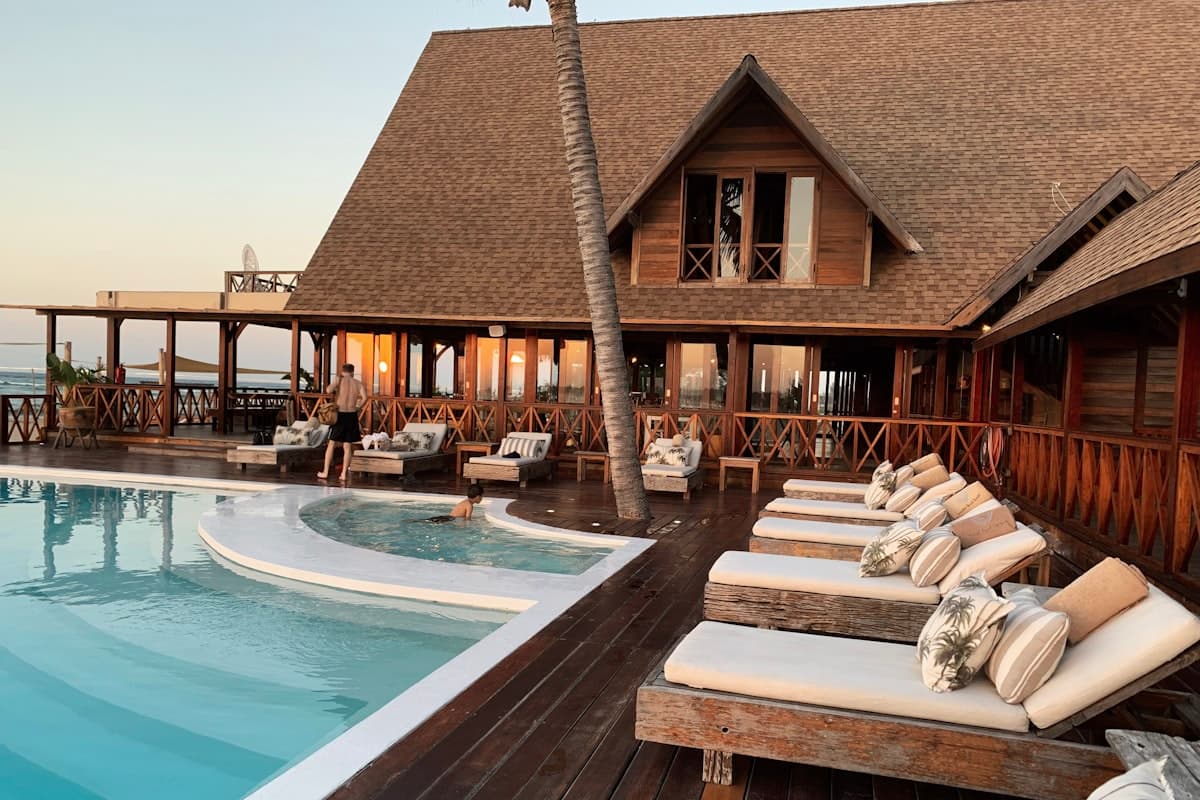
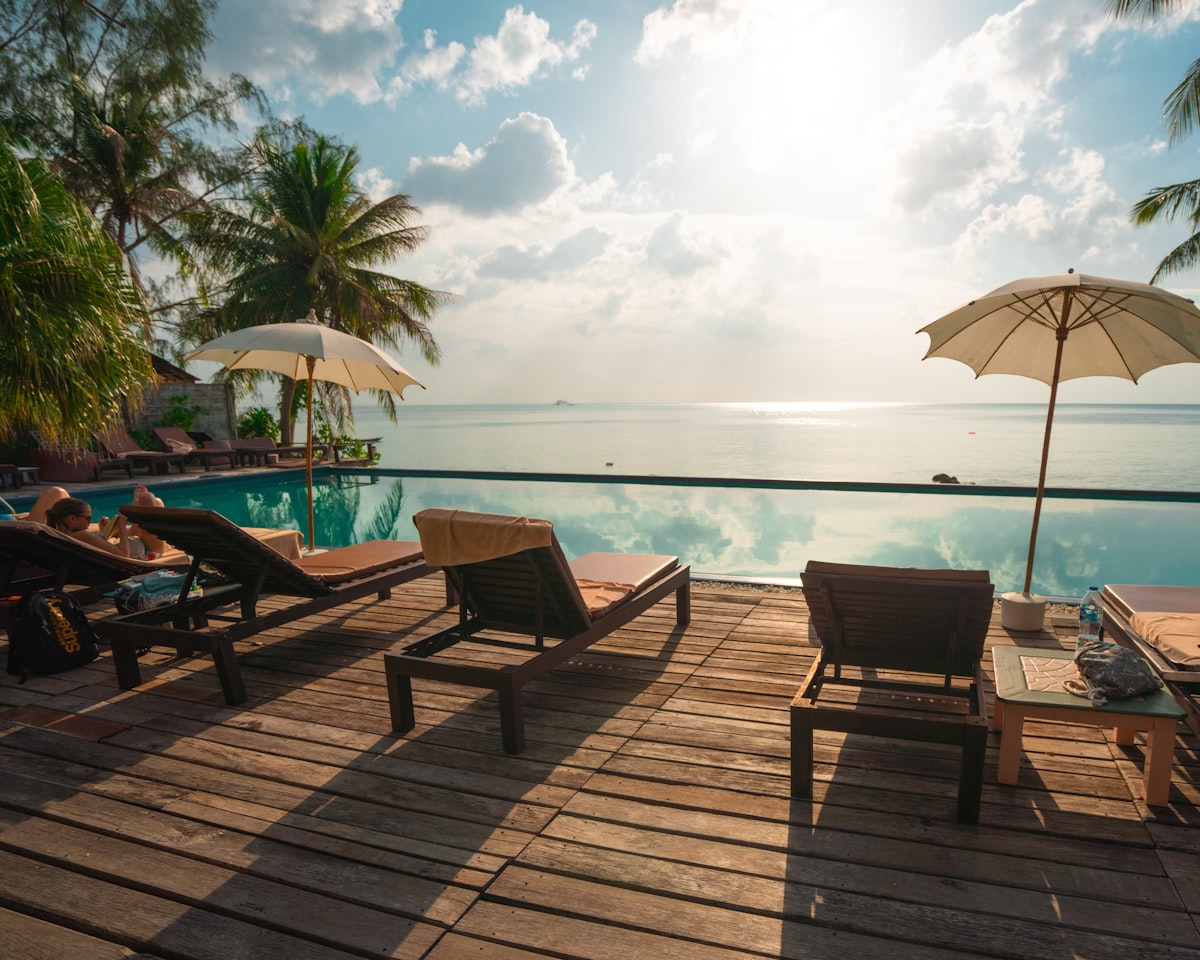
Hospitality is an emotional purchase, so your gallery should sell the experience, not just the room. Show the sunset from the terrace, the breakfast spread, the lobby lounge, the beach or the walkable neighborhood nearby. A mix of professional photos and curated guest shots, used with permission, creates an authentic picture that a sterile OTA listing cannot match.
How can hotel SEO help increase direct bookings?
Hotel SEO helps by ranking your site for both branded searches (your property name) and discovery searches (things travelers look up while planning). For branded searches, your own website should outrank the OTA listings for your name, which is achievable with sound technical SEO and a well-maintained Google Business Profile.
For discovery searches, your blog becomes the tool. Content about local attractions, food, events, and seasonal travel draws planners to your site, "best time to visit," "things to do near [attraction]," "where to eat in [area]." Each post that ranks brings a potential guest who can then discover your property and book without an OTA in the middle. Structured data for lodging (LodgingBusiness and Hotel schema) helps your listing show rich results in Google, the same information-rich treatment OTAs rely on to win the click. A solid SEO foundation puts your direct-booking page right beside the OTA listings.
Why does mobile design matter for hotel websites?
Mobile design matters because travel booking is overwhelmingly done on phones, and that share is higher still for last-minute stays. If your booking engine fights the user on a small screen, you lose the booking.
The booking flow must work cleanly on mobile: thumb-friendly date pickers, room selection that does not require zooming, and a payment process that supports the wallets Filipino travelers actually use, GCash and Maya, alongside cards. A mobile-first approach is not a nice-to-have for a hotel site; it is a revenue requirement.
How does a direct site build guest relationships OTAs cannot?
Your website extends the guest experience beyond the stay, which is exactly what OTAs deliberately prevent. Pre-arrival emails with local recommendations, a digital concierge page with restaurant and activity tips, and post-stay follow-ups requesting a review and offering a return discount all build a direct relationship you own.
A simple repeat-guest perk, even ten percent off a third stay, gives guests a reason to book direct every time. OTAs cannot offer this; their loyalty is to the platform, not your property. Your website is the foundation of the relationship that turns a one-time OTA guest into a returning direct guest.
How much does a hotel or B&B website cost in the Philippines?
A professional hotel or B&B website with booking-engine integration in the Philippines typically runs ₱150,000 to ₱350,000 ($2,700 to $6,300), depending on the number of rooms, booking-system complexity, and whether you need multiple languages. A smaller B&B with simpler needs can land lower in the ₱50,000 to ₱150,000 range.
| Tier | Price range (PHP) | USD equivalent | Best for |
|---|---|---|---|
| Professional B&B / small property | ₱50,000 to ₱150,000 | $900 to $2,700 | A small B&B or guesthouse with a straightforward booking flow |
| Custom hotel marketing build | ₱150,000 to ₱350,000 | $2,700 to $6,300 | Independent hotels and resorts: full booking engine, room pages, SEO |
See our web design cost guide for the Philippines for the full picture, and if you run a resort, our resort website design page covers that case. The investment case is simple: shift a share of your bookings from OTA to direct and the commission you stop paying recovers the build, often within months. That clear payback is the kind of project Studio Aurora is built for, book a call and we will model it against your room count and occupancy.
Related service
E-commerce website costs in the PhilippinesFrequently asked questions
Why should hotels and B&Bs push direct bookings?
Direct bookings cut the OTA commission, commonly 15 to 25 percent per reservation, which is pure margin you keep. They also let you own the guest relationship, the email, the upsell, and the reason to return, instead of renting it from a platform that promotes its own loyalty program.
Should independent hotels stop using OTAs?
No. OTAs still provide valuable visibility and discovery for travelers who do not yet know your property. The goal is to use OTAs for discovery, then convert as many guests as possible to direct bookings on your own site with a best-rate guarantee and small direct-booking perks.
What website feature is most important for direct bookings?
An integrated booking engine is the cornerstone, because without one your site just sends guests back to the OTA. The flow should take three clicks or fewer from homepage to confirmed reservation, and it should sync availability across all your channels.
How can hotel SEO help increase direct bookings?
Hotel SEO ranks your site for branded searches (your property name, which should outrank OTA listings) and discovery searches (local attractions, food, events, and seasonal travel). Lodging schema helps your listing show rich results alongside the OTAs in Google.
Why does mobile design matter for hotel websites?
Travel booking is overwhelmingly done on phones, and more so for last-minute stays. The booking flow needs thumb-friendly date pickers, room selection that does not require zooming, and a payment step that supports GCash and Maya alongside cards.
How much does a hotel or B&B website cost in the Philippines?
A professional hotel or B&B website with booking-engine integration in the Philippines typically runs PHP 150,000 to PHP 350,000 ($2,700 to $6,300), depending on room count, booking complexity, and languages. A smaller B&B can land in the PHP 50,000 to PHP 150,000 range.
Let's build something
great together
Have a project in mind? We'd love to hear about it and explore how we can help bring your vision to life.
Get in touchPillar guideBusiness · Jan 31
Restaurant Website Essentials: Menus, Reservations, and Local Search That Fills Tables
Business · Mar 1
Wedding Planner Websites: Showcasing Portfolios and Streamlining Bookings
Resources · Feb 25
Photography Portfolio Websites: Design That Attracts High-Paying Clients
Business · Feb 25