
Business · 6 min read
Nonprofit Web Design: Engaging Donors, Volunteers, and Communities Online
A nonprofit website must build trust, explain impact, and move people to act. Here is how Philippine nonprofits do all three, with realistic PHP costs.

Share
Key takeaways
- A nonprofit website serves donors, volunteers, beneficiaries, and sponsors at once, so each audience needs its own clear path and call to action.
- Donation pages convert best when they are short, mobile-friendly, show where money goes, and accept methods Filipinos use like GCash, Maya, and bank transfer.
- Volunteer sections work when they list specific roles, time commitments, impact, and a simple signup, removing the uncertainty that stops people from joining.
- Major donor trust is built with SEC registration, BIR donee status, leadership bios, impact reports, and audited financials shown openly on the site.
- A professional nonprofit website in the Philippines typically costs ₱50,000 to ₱150,000, with fundraising and event features pushing it higher.
A nonprofit website has to do three hard things at once: build trust, explain impact, and move people to act, all on a tight budget. The good news is that a well-structured site can do all three at the same time. Your mission is real and your impact matters, but if a potential donor or volunteer cannot quickly find you, understand your work, and see how their contribution helps, that goodwill never converts into support.
This guide covers what makes nonprofit sites different, how to design donation and volunteer paths that work, and how to build the credibility serious donors look for, with notes for organizations operating here in the Philippines.
Why do nonprofit websites need a different approach?
Nonprofit websites are different because they serve several audiences at once, donors, volunteers, beneficiaries, corporate sponsors, and the curious public, and each group needs different information and a different call to action. A major donor wants accountability and proof of management. A first-time volunteer wants to know what a shift actually involves. A beneficiary wants to know how to get help. A single page layout that ignores this ends up speaking to no one clearly.
The site also has to do something commercial sites rarely attempt: inspire an emotional connection while supplying the hard credibility that serious giving requires. Stories pull people in; transparency convinces them to stay and give. A nonprofit site that does only one of those falls short.
What should a nonprofit donation page include?
A nonprofit donation page should show where the money goes, offer flexible giving options, make the impact of each amount concrete, and keep the form short and mobile-friendly. Many organizations lose gifts simply because the giving process is confusing or buried, so the donation path deserves more design attention than almost any other page.
In practice that means a clear breakdown of programs versus overhead, both one-time and recurring options, and plain statements of what a gift achieves, for example what a ₱500 or ₱2,000 donation covers in your programs. The form itself should be simple, work cleanly on a phone, accept the payment methods Filipinos actually use such as GCash, Maya, bank transfer, and cards, and send an automatic receipt. Every extra field and every unexpected step is a place where a willing donor changes their mind.
How can a website help recruit volunteers?
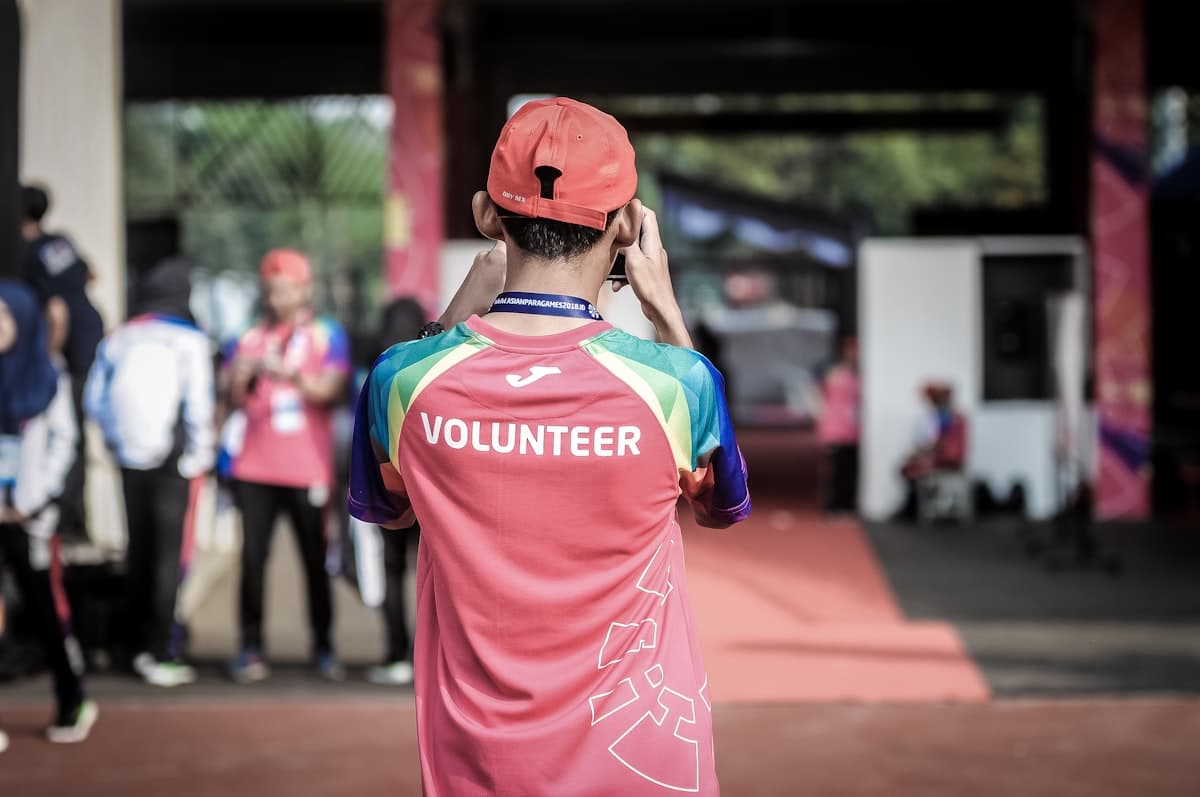
A website recruits volunteers by making the opportunity feel concrete and welcoming rather than vague. A dedicated volunteer section should describe the open roles, the time each one asks for, and the difference volunteers make, then give people a simple way to sign up. When someone can see a specific role they could fill and picture the impact, signing up stops feeling like a leap.
Support that with a short testimonial or two from current volunteers and clear details about training or orientation, so a newcomer knows what to expect on day one. The aim is to remove the quiet uncertainty that keeps interested people from ever filling out the form.
What builds trust with major donors online?
Major donors give when they believe an organization is well-run and accountable, so your site should make that case openly with financial information, leadership bios, impact reports, and any third-party recognition. Transparency is not a barrier to fundraising; it is one of the strongest fundraising tools you have.
For a Philippine nonprofit, that credibility set includes your SEC registration, your BIR donee status if you hold one (which lets donors claim tax deductions), and audited financial statements where available. Add bios and photos of your board and key staff, recent annual or impact reports, and any partnerships or accreditations that an outside party can vouch for. Stories earn the click; this is what earns the larger gift.
How do impact stories and content keep communities engaged?
Numbers establish credibility, but specific stories are what move people to act. Feature real beneficiary stories, with permission and appropriate anonymity, that show your work changing a particular situation, and use video testimonials or short case studies to let donors and volunteers connect emotionally with the mission. Your homepage should state the problem you solve and how you solve it within the first few seconds, then spend the rest of the site proving it.
Ongoing content extends that engagement between donations and volunteer shifts. A blog covering insights on your cause, success stories, and educational resources builds authority and keeps your supporters connected. The same principle that drives website content that converts applies here: meet each audience with the information they need at the stage they are in. And because many Filipino donors and volunteers will reach you on a phone, mobile-first design is not optional, donation forms and signup flows have to work smoothly on the device most people actually use.
How much does a nonprofit website cost in the Philippines?
A professional nonprofit website in the Philippines typically falls in the ₱50,000 to ₱150,000 range, with more involved builds reaching higher depending on the features you need. Donation integration, a volunteer management section, event registration, and recurring-gift handling all add scope, and a simple informational site sits at the lower end while a full fundraising platform sits well above it.
Weigh that against what the site is meant to replace or earn. For many organizations a stronger online presence pays for itself within the first year through donations and volunteers it would not otherwise have reached. For a fuller picture of pricing by project type, see our web design cost guide for the Philippines, and for a broader view of what a Philippine web project involves, our web design in the Philippines page.
Your website is your most accessible fundraising tool, and your mission deserves one that matches its importance. If you want to turn your online presence into something that genuinely inspires donors, recruits volunteers, and communicates impact, book a call and we will talk through what that could look like for your organization.
Related service
E-commerce website costs in the PhilippinesFrequently asked questions
Why do nonprofit websites need a different approach?
Nonprofit websites serve donors, volunteers, beneficiaries, sponsors, and the public at once. Each group needs different information, different proof of credibility, and a different call to action, so the site has to inspire emotionally while still providing hard accountability.
What should a nonprofit donation page include?
It should show where money goes, offer one-time and recurring options, explain the impact of each amount, use a simple mobile-friendly form, accept Philippine payment methods like GCash, Maya, bank transfer, and cards, and send an automatic receipt.
How can a website help recruit volunteers?
A dedicated volunteer section should list open roles, the time each requires, the impact volunteers make, a short testimonial or two, a simple signup form, and clear details about training or orientation so newcomers know what to expect.
What builds trust with major donors online for a Philippine nonprofit?
Show your SEC registration, BIR donee status if you hold one, audited financial statements, board and staff bios with photos, recent impact reports, and any external partnerships or accreditations. Transparency is a fundraising tool, not a barrier.
How much does a nonprofit website cost in the Philippines?
A professional nonprofit website typically ranges from ₱50,000 to ₱150,000, with higher figures for donation integration, volunteer management, event registration, and recurring-gift handling. A simple informational site sits at the lower end.
Let's build something
great together
Have a project in mind? We'd love to hear about it and explore how we can help bring your vision to life.
Get in touchPillar guideBusiness · Jan 31
Restaurant Website Essentials: Menus, Reservations, and Local Search That Fills Tables
Business · Mar 3
Hotel and B&B Websites: Driving Direct Bookings Over OTA Commissions
Business · Mar 1
Wedding Planner Websites: Showcasing Portfolios and Streamlining Bookings
Resources · Feb 25