
Business · 8 min read
Why Your Website Is Your Most Important Sales Asset
Your website runs every hour of every day, shaping first impressions and converting interest into revenue. Here is why it is your most important sales asset.

Share
Key takeaways
- A website is a sales asset, not a brochure, because it shapes first impressions, builds trust, and converts interest into revenue without you in the room.
- Visitors judge your credibility in seconds based on design, speed, and clarity, often before reading a word.
- Trust signals like real testimonials, case studies, clear messaging, and fast performance reduce a buyer's risk and lift conversions.
- Mobile experience decides much of your revenue in the Philippines, where most people browse and buy on phones first.
- Search visibility turns a website into a compounding asset; a sales-asset build runs roughly ₱150,000 to ₱350,000 in the Philippines.
Your website is the hardest-working salesperson your business owns. It runs every hour of every day, it never calls in sick, and for most Philippine businesses it is the first thing a customer judges before deciding to call, message, or walk away. Treat it as a brochure and it behaves like one. Treat it as a sales asset and it starts to pay for itself.
The problem is that most owners do not see the website doing its job, because the job is invisible. A prospect searches, lands, decides in seconds whether you look credible, and either stays or leaves for a competitor. You never see the ones who left. That silent loss is the real cost of a weak site, and it compounds month after month.
This guide explains why your website is your most important sales asset, what actually drives the return on it, and how to judge whether yours is earning or leaking. For the full Philippine pricing picture behind these decisions, see our web design cost guide for the Philippines.
Why is a website a sales asset, not a brochure?
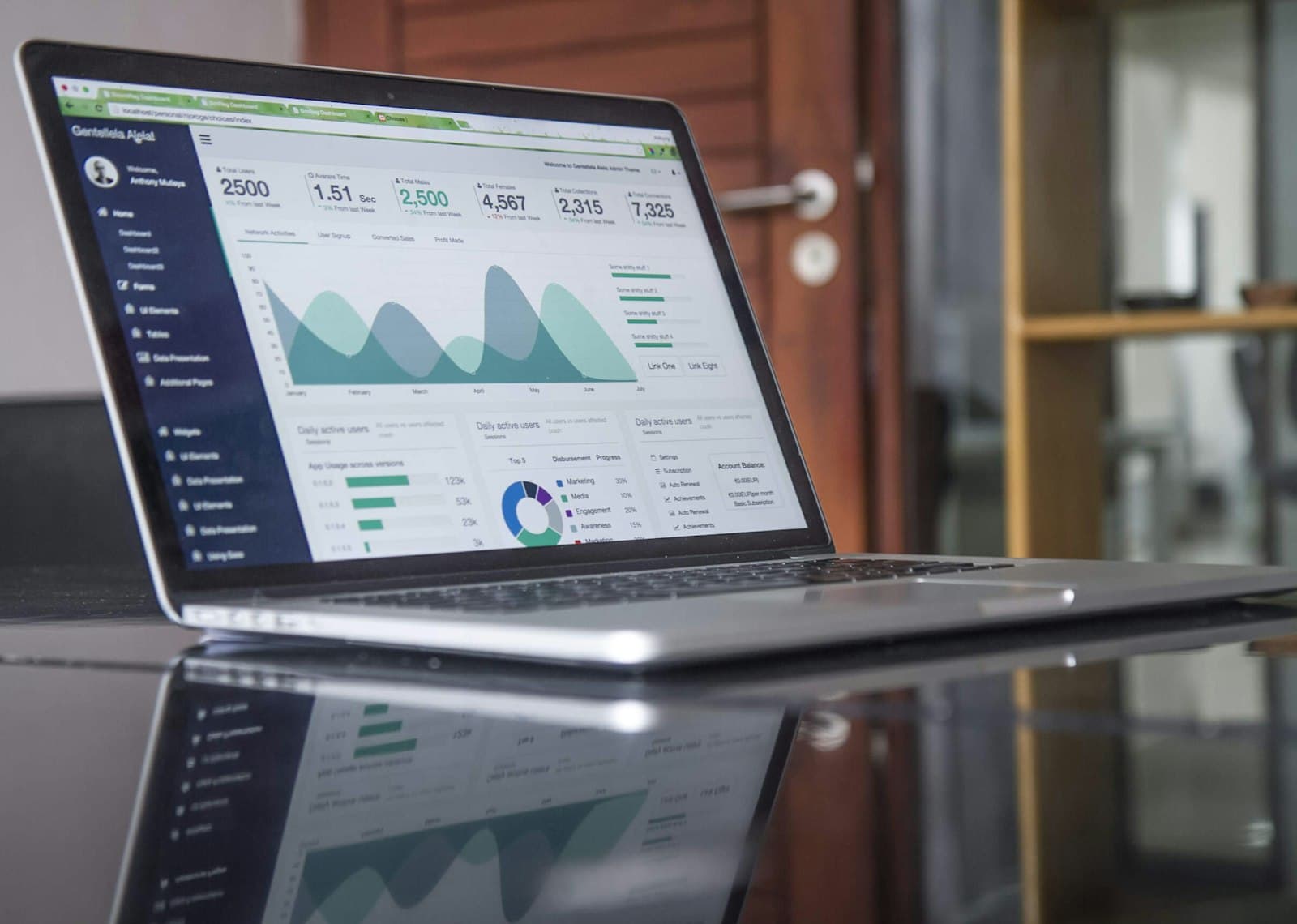
A website is a sales asset because it shapes first impressions, builds trust, answers buying questions, and converts interest into revenue without you being in the room. A brochure sits in a drawer. A website is live in front of strangers who are deciding whether to spend money with you, right now, while you sleep. That is the difference between a cost and an asset: an asset produces a return.
The shift in mindset matters because it changes how you budget. You do not ask "what is the cheapest site I can get away with." You ask "what does this site need to do to bring in customers, and what is that worth." For a service business in the Philippines, even a handful of extra inquiries a month can outweigh the entire cost of the build.

Photo by Austin Distel on Unsplash
How fast do visitors judge your business?
Visitors form an impression of your business almost instantly, well before they read a word of your copy. They react to layout, typography, image quality, and how fast the page loads, and that reaction colors everything that follows. A site that looks dated or loads slowly tells a prospect, fairly or not, that the business behind it may cut corners too.
This is why design is not decoration. It is the proxy customers use to guess at the quality of your work before they have any other evidence. When a prospect compares you against two other firms on the same Google results page, the one that looks most credible usually earns the click and the inquiry. That is a sales outcome decided in the first few seconds.
What website elements actually build trust?
The elements that build trust are the ones that reduce a buyer's risk: clear messaging, social proof, fast performance, and a site that simply works. Each one answers a quiet fear the prospect has before they reach out.
Social proof does the heaviest lifting. Real testimonials, named clients, case studies, and reviews show that other people trusted you and were not burned. Clear communication earns trust by proving you understand the customer's actual problem, not just your own service list. And technical reliability matters more than owners think: a slow or broken page suggests neglect, while a fast, flawless one signals attention to detail. We cover the specifics in our guide on building trust signals that convert.

Photo by NordWood Themes on Unsplash
How much does converting more visitors matter?
Converting a higher share of the visitors you already have is usually the cheapest growth a business can buy, because it costs nothing extra in traffic or ad spend. If your site turns more of the same visitors into inquiries, every peso you spend on marketing, ads, or SEO stretches further. Nothing else in the funnel changes, yet the business grows.
This is the strongest argument against the cheapest possible website. If you run any paid traffic at all, sending it to a site that does not convert wastes that spend every single month. Conversion is also an ongoing discipline, not a one-time fix: customer behavior shifts, competitors improve, and the sites that keep testing and refining keep their edge. We avoid invented numbers here on purpose, because the real figure depends entirely on your traffic and margins, but the direction is reliable, a site built to convert returns more from the same audience.
Why does mobile experience decide so much revenue?
Mobile experience decides a large share of revenue because in the Philippines most people browse and buy on their phones first. If your site is hard to read, slow to load, or awkward to tap on a phone, you are failing the majority of your visitors, not a minority. A desktop-first site that was "made to work" on mobile as an afterthought usually leaks its most valuable traffic.
Mobile-first design flips the order: design for the small screen first, then expand to desktop. That constraint forces you to prioritize the content and actions that matter, which produces a cleaner experience everywhere. For a business serving Filipino customers, fixing the mobile experience is often the single highest-return change available, because it applies to your largest segment.
Does search visibility make a website a long-term asset?
Yes, search visibility is what turns a website into a compounding asset rather than a one-time expense. When customers search for what you offer and find you near the top, you earn traffic without paying for each visitor. Over years, that organic position becomes one of the most valuable things a business owns, because the cost per visitor trends toward zero while paid traffic only gets more expensive.

Photo by Myriam Jessier on Unsplash
Google's ranking signals now lean heavily on user experience, page speed, mobile usability, and visual stability, so technical quality and search visibility are linked. A well-built, fast site supports better rankings as a side effect. Pair that with content that answers real customer questions and each page becomes a new entry point for people who are already looking for a business like yours. If you are not ranking yet, start with why your website doesn't show up on Google and how to fix it.
What does a sales-asset website cost in the Philippines?
A website built to work as a sales asset, with custom design, a real SEO foundation, and conversion in mind, typically runs ₱150,000 to ₱350,000 ($2,700 to $6,300) in the Philippines. Simpler professional business sites that still capture leads well land around ₱50,000 to ₱150,000 ($900 to $2,700). Template sites in the ₱15,000 to ₱50,000 ($270 to $900) range can get you online, but they rarely behave like an asset, because they skip the design, SEO, and conversion work that produces the return.
The right number depends on what the site is for. A revenue tool justifies the professional or custom tier. A simple digital presence can live cheaper. Weigh it against what a single new customer is worth to you over a year: if your work commands real value, the build pays for itself quickly. For the full breakdown by project type, see our web design cost guide for the Philippines, and if you want a transparent quote for your specific project, book a call and we will walk you through what your build actually costs.
How do you tell if your website is earning or leaking?
You tell by measuring before and after, not by guessing. Track conversion rate (the share of visitors who inquire or buy), bounce rate, time on site, search rankings, and where leads say they found you. Watch those numbers around any change you make. If conversions rise after a redesign, the site is doing its job; if traffic climbs but inquiries do not, the leak is on the page, not in the marketing.
Start with an honest comparison against your competitors. Open your site next to theirs on a phone. Would a stranger pick yours? Where does the path to "contact you" feel clumsy or slow? Those friction points are your highest-return fixes. A launch is a beginning, not an ending, and the businesses that win treat the website as an asset they keep sharpening. If you want a partner who builds for conversion and measurable results rather than just looks, book a call with Studio Aurora.
Related service
Web design services in the PhilippinesFrequently asked questions
Why is a website called a sales asset?
A website is a sales asset because it shapes first impressions, builds trust, answers buying questions, and converts interest into revenue without you being present. Unlike a brochure, it works live in front of prospects every hour of every day, which makes it produce a return rather than just sit as a cost.
How fast do visitors judge a business by its website?
Visitors form an impression almost instantly, before they read any copy, reacting to layout, typography, image quality, and load speed. A dated or slow site signals that the business may cut corners, while a fast, polished one earns the click and the inquiry when a prospect is comparing options.
What website elements build trust with visitors?
The elements that build trust reduce a buyer's risk: real testimonials, named clients, case studies, and reviews provide social proof; clear messaging proves you understand the problem; and fast, reliable performance signals attention to detail. Each one answers a quiet fear before the prospect reaches out.
Why does mobile experience matter so much for revenue?
Mobile experience decides a large share of revenue because most people in the Philippines browse and buy on phones first. A site that is hard to read, slow, or awkward to tap on mobile fails the majority of visitors, so improving the mobile experience is often the single highest-return change available.
How much does a sales-asset website cost in the Philippines?
A website built to convert, with custom design and a real SEO foundation, typically runs ₱150,000 to ₱350,000 ($2,700 to $6,300) in the Philippines. Simpler professional sites that still capture leads run about ₱50,000 to ₱150,000, while ₱15,000 to ₱50,000 template sites get you online but rarely behave like an asset.
How can I tell if my website is earning or leaking customers?
Measure before and after, not by guessing. Track conversion rate, bounce rate, time on site, search rankings, and where leads say they found you, then watch those numbers around any change. If traffic climbs but inquiries do not, the leak is on the page rather than in your marketing.
Let's build something
great together
Have a project in mind? We'd love to hear about it and explore how we can help bring your vision to life.
Get in touchBusiness · Feb 20
Why Your Business Needs a Website in 2026 (The Data Behind the Decision)
Resources · Feb 16
Landing Page vs Website: When You Need One, the Other, or Both
Business · Jan 26
Your Small Business Website Is Costing You Customers Every Day (Here’s the Proof)
Development · Jan 26