
Business · 9 min read
Why Your Business Needs a Website in 2026 (The Data Behind the Decision)
The honest case for a business website in 2026: search visibility, trust, lead diversity beyond referrals, and realistic PHP cost ranges to weigh it against.

Share

Key takeaways
- Most customers search online before buying, so no website means lost visibility at the moment of highest intent.
- A clear, professional website shapes trust and credibility; no site or a poor one creates doubt.
- A website diversifies lead sources beyond referrals, social media, and paid ads.
- Social media is rented land; a website is a channel you own and can adapt and convert on.
- The website is the hub that search, social, email, and ads should all point back to.
You might not think you need a website. Business is good, referrals keep coming, your phone rings. So why spend time and money on a site? The reasoning is understandable, and it is also a quiet bet against where your customers are heading. The real question is not whether you need a website. It is how much growth you are leaving on the table by not having one.
In 2026, that gap is wider than it looks, especially in the Philippines, where most buying decisions now start on a phone and a Google search. This is the honest case for a website, without the inflated statistics you will see elsewhere.
Why does a business need a website in 2026?
Because that is where your customers look first. When a Filipino needs a service, the reflex is to search: "dentist near me," "accountant Makati," "aircon repair Cebu." If your business does not turn up, the customer never finds you. They find a competitor instead, and you do not lose one sale, you lose the whole category of people who search before they buy.
A website is the one place online that you fully control. It lets you appear in search, set your own message, show proof of your work, and convert a visitor into an inquiry. Everything else you do online, social posts, ads, listings, can point back to it. Without it, you are depending on channels you do not own and hoping the right people stumble onto you.
How does a website affect trust?
A website shapes whether a prospect believes you are real and worth hiring. When someone hears about you and looks you up, what they find decides the first impression. A clear, professional site signals that you are established and serious. No site, or a slow and outdated one, plants doubt: are they still operating, are they legitimate, can I trust them with my money?
This matters more for higher-value services, where a customer is weighing a real commitment. They want proof before they call, and your website is that proof. A good site quietly answers the questions a prospect is too polite to ask. The absence of one leaves them to assume the worst.

How does a website drive growth?
A website gives you leverage that referrals alone cannot. It works around the clock, reaching anyone who searches for what you do, not just the people already in your network. It lets you rank in search, build authority through content, and send every visitor toward a clear next step.
Over time this compounds. A site that ranks well and converts becomes a lead source that runs while you sleep, an asset that grows in value the longer it is live. Referral-only businesses do not have that. They trade time for money on every deal and stay capped by the size of their network. A website-based business is building something that keeps working without constant effort.
"I get all my business from referrals." Isn't that enough?
Referrals are powerful, but they are fragile and they have a ceiling. You can only be referred by people who already know you, so your growth is limited by your network rather than the quality of your work. And the pipeline can dry up. Your best referral source moves on, the industry shifts, the economy tightens, and suddenly the calls slow down.
A website diversifies your lead sources so you are not entirely dependent on word of mouth. It adds organic search and direct traffic as a backup when referrals soften. It also makes referrals stronger: when someone recommends you, the prospect searches your name, lands on a professional site, and arrives more confident and more likely to convert. The referral does the introduction; the website closes the trust gap.
Isn't social media enough on its own?
Social media is valuable for community and staying top of mind, but it is not a website replacement, because you do not own it. A platform can change its algorithm, push toward a new format, or fade in relevance, and your reach drops with it. Businesses that build entirely on social media are building on rented land.
A website is land you own. Search algorithms change too, but you keep far more control: you can update your content, improve your structure, and adapt on your own terms. Social media is also weaker at converting, since the path from a post to an actual inquiry is full of friction. A website is built for conversion, where you control the experience and guide visitors to a clear action. The right relationship is simple: social media supports the website, not the other way around. For more on this, see why your website is your most important sales tool.
What does a website cost, and is it worth it?
A professional marketing website in the Philippines typically runs ₱50,000 to ₱150,000 ($900 to $2,700 USD), with custom marketing builds at ₱150,000 to ₱350,000 ($2,700 to $6,300 USD) and ongoing maintenance from ₱5,000 to ₱50,000+ ($90 to $900+ USD) per month, depending on scope. Template sites start lower, around ₱15,000 to ₱50,000 ($270 to $900 USD), with the trade-offs that come with them.
Whether it is worth it comes down to what one extra customer is worth to you. If your average project value is meaningful, even a handful of new clients a year from search and direct traffic can cover the build, and for higher-value services the case is stronger still. Not having a website is not a saving. It is a steady, invisible loss of the customers a site would have earned. For the full picture on returns, see how to measure the real business impact of your website, and for a full cost breakdown, our web design cost guide for the Philippines.
"I don't have time to deal with a website."
That is a fair constraint, and it points to hiring it out rather than skipping it. Building a site yourself takes time you may not have; having someone build it costs money but very little of your hours. The alternative is not actually saving time, it is forgoing the leads the site would generate while you stay busy. You pay once to build, spend a few hours coordinating, and end up with a lead source that works continuously. That is a good trade for a busy owner.
Why a website is the hub of everything else
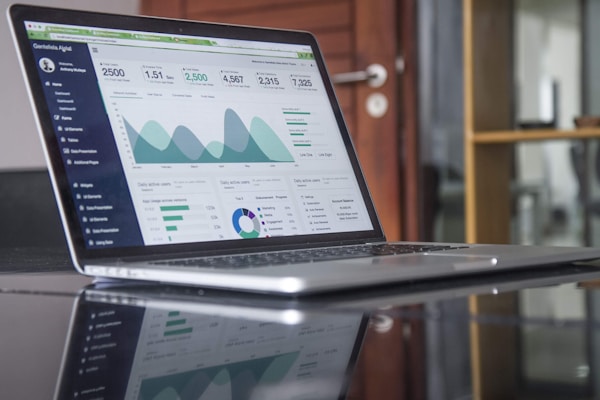
Successful businesses in 2026 do not rely on a single channel. They use several, but they funnel everything back to one place they control. Your social posts, email, paid ads, and local search presence should all lead to your website, where you own the experience and can convert. Without a hub, you are trying to convert separately inside Facebook, Instagram, email, and search, which is fragmented and inefficient. The website ties it all together.
There is also a slow cost to not having one. Today you may be thriving without a site, but in a few years your competitors will have invested in their digital presence, ranking higher and converting better, while the customers you once picked up from referrals quietly search first and choose someone who shows up. You will not feel it as a sudden loss, just a gradual slowdown. And if you ever want to sell the business, a buyer who sees no web presence and no organic reach values it lower, or passes entirely. The absence of a website does not hurt while business is good. It compounds into a problem you notice too late.
The bottom line
The question "Do I need a website?" is outdated. In 2026 the real question is whether you can afford not to have one. Your customers search before they buy, they judge credibility by what they find, and a website is the one channel you fully own and can convert on. The only open questions are who builds it and how soon you start. Your competitors are not waiting, and your future customers are searching right now. That is the kind of site we build at Studio Aurora, and if you want to talk through what yours should do, book a call.
Frequently asked questions
Why does a business need a website in 2026?
Because most customers search online before they buy, and a website is how you appear in those searches, build trust, control your message, and convert visitors into inquiries. Without one, prospects who search for what you do find a competitor instead.
Is social media enough instead of a website?
No. Social media is useful for community and visibility, but it is rented land, since a platform can change its algorithm, cut your reach, or fade in relevance at any time. A website is something you own and control, and it converts visitors far better than a social feed.
What if a business already gets all its clients from referrals?
Referrals work but are fragile and capped by the size of your network. A website diversifies your lead sources so you are not fully dependent on word of mouth, and it actually strengthens referrals, since a recommended prospect who looks you up and finds a professional site arrives more confident and more likely to convert.
How does a website affect trust?
Prospects judge credibility by what they find when they look you up. A clear, professional website signals that the business is established and serious, while no site or a poor one creates doubt. For higher-value services especially, the site is the proof a customer needs before they reach out.
What role does a website play in multi-channel marketing?
The website is the central hub. Social posts, email, paid ads, and local search should all point back to it, the one place you own the experience and can convert. Without a hub you are trying to convert separately across every platform, which is fragmented and inefficient.
How much does a business website cost in the Philippines?
A professional marketing site typically runs ₱50,000 to ₱150,000 ($900 to $2,700 USD), custom marketing builds run ₱150,000 to ₱350,000 ($2,700 to $6,300 USD), and maintenance runs ₱5,000 to ₱50,000+ ($90 to $900+ USD) per month. Template sites start lower at ₱15,000 to ₱50,000 ($270 to $900 USD), with trade-offs in design and longevity.
Related service
Web design services in the PhilippinesFrequently asked questions
Why does a business need a website in 2026?
Because most customers search online before they buy, and a website is how you appear in those searches, build trust, control your message, and convert visitors into inquiries. Without one, prospects who search for what you do find a competitor instead.
Is social media enough instead of a website?
No. Social media is useful for community and visibility, but it is rented land, since a platform can change its algorithm, cut your reach, or fade in relevance at any time. A website is something you own and control, and it converts visitors far better than a social feed.
What if a business already gets all its clients from referrals?
Referrals work but are fragile and capped by the size of your network. A website diversifies your lead sources so you are not fully dependent on word of mouth, and it actually strengthens referrals, since a recommended prospect who looks you up and finds a professional site arrives more confident and more likely to convert.
How does a website affect trust?
Prospects judge credibility by what they find when they look you up. A clear, professional website signals that the business is established and serious, while no site or a poor one creates doubt. For higher-value services especially, the site is the proof a customer needs before they reach out.
What role does a website play in multi-channel marketing?
The website is the central hub. Social posts, email, paid ads, and local search should all point back to it, the one place you own the experience and can convert. Without a hub you are trying to convert separately across every platform, which is fragmented and inefficient.
How much does a business website cost in the Philippines?
A professional marketing site typically runs PHP 50,000 to 150,000 ($900 to $2,700 USD), custom marketing builds run PHP 150,000 to 350,000 ($2,700 to $6,300 USD), and maintenance runs PHP 5,000 to 50,000+ ($90 to $900+ USD) per month. Template sites start lower at PHP 15,000 to 50,000 ($270 to $900 USD), with trade-offs in design and longevity.
Let's build something
great together
Have a project in mind? We'd love to hear about it and explore how we can help bring your vision to life.
Get in touchPillar guideBusiness · Jan 26
Why Your Website Is Your Most Important Sales Asset
Resources · Feb 16
Landing Page vs Website: When You Need One, the Other, or Both
Business · Jan 26
Your Small Business Website Is Costing You Customers Every Day (Here’s the Proof)
Development · Jan 26