
Business · 8 min read
Gym and Fitness Studio Marketing: Turning Local Searches Into Memberships
People search gym near me and join the one they find first. How a fitness website turns local searches into memberships with SEO and booking, plus PHP pricing.

Share

Key takeaways
- Local SEO helps gyms appear when nearby Filipinos search for gyms, studios, classes, or trainers.
- A strong website supports your Google Business Profile and improves local search relevance.
- Online sign-up, class booking, and real photography reduce friction for potential members.
- Member stories, trainer profiles, blog content, and social integration show the gym's community.
- A professional gym website in the Philippines typically costs ₱50,000 to ₱150,000, with maintenance from ₱5,000/mo.
Every January in the Philippines, thousands of people search for "gym near me," "fitness classes Makati," and "personal trainer rates." All year round, people look for yoga studios, CrossFit boxes, Muay Thai gyms, and boutique fitness spots near home or work. The question is simple: when they search, do they find your gym, or your competitor's?
A professional website for a fitness business is not just an online brochure. It is the difference between someone driving past your gym and someone walking in ready to sign up. This guide covers why local search decides fitness memberships, what turns visitors into members, and what a gym website costs in the Philippines. For the wider local picture, see our guide to web design in the Philippines.
Why does a gym need a website for local search?
A gym needs a website because fitness is intensely location-dependent and local search decides where members go. Nobody drives 45 minutes to a gym when there is one 10 minutes away, which makes local SEO the most important digital strategy a fitness business has.
When someone searches "gym near me" or "yoga studio in your neighborhood," Google shows a map pack of the top local results, and getting in requires two things: a well-optimized Google Business Profile and a website that reinforces your local relevance. Without a site, your profile competes at a disadvantage, because Google uses your website to verify your information, understand your services, and judge how relevant you are to a search. A strong website strengthens every part of that local presence. We see the same dynamic across local verticals, including in why restaurants need websites: the businesses that invest in their own web presence consistently outperform those relying on third-party platforms alone.
What website features turn visitors into members?
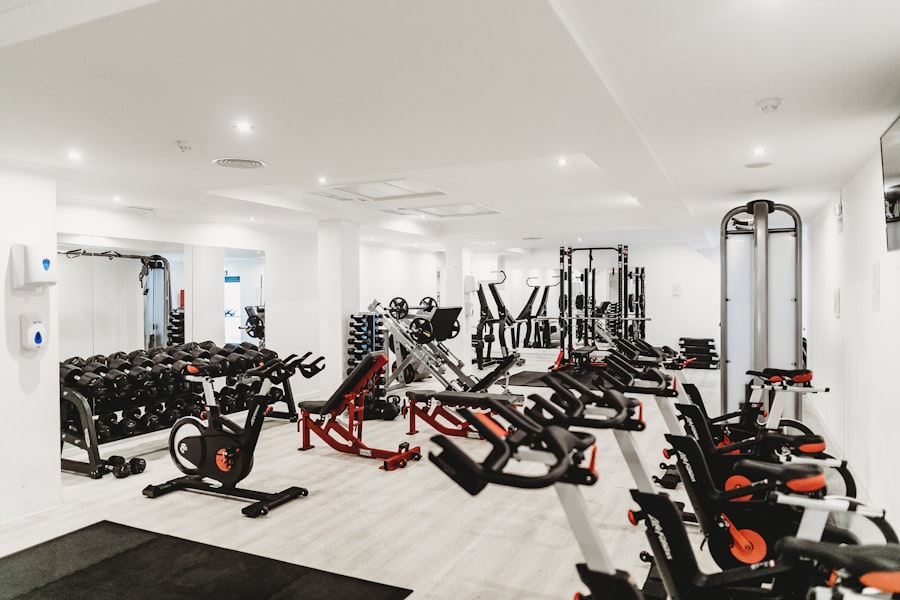
The features that convert visitors are frictionless sign-up, easy class booking, and visuals that show the experience. People rarely decide to join a gym during business hours. They decide at 11 PM scrolling on the couch or at 6 AM before work, so the site has to be ready to sell at any hour.
Online sign-up removes the biggest barrier. If a prospect has to call during office hours or visit in person, you lose them, whereas a simple "claim your free trial" form or a full checkout captures that motivation in the moment. Class booking matters just as much for studios, since members want to see the schedule, reserve a spot, and add it to their calendar from their phone. Visuals close the gap: high-quality photos and short videos of your space, equipment, and classes in action let prospects feel the experience before they visit, which reduces the uncertainty that keeps people from committing.
How can a gym website show its community?
A gym website shows community by featuring real members, trainers, and the culture of the place. The best gyms are not just facilities; they are communities, and the site should reflect that energy. Member success stories and testimonials build social proof. Trainer profiles with photos, certifications, and a bit of personality help prospects picture who they will train with. A blog with workout tips, nutrition advice, and fitness education adds value and builds search authority at the same time. Pulling in your social feed shows the day-to-day energy of the gym directly on the page.
This content does two jobs at once: it builds trust with prospective members and creates rankable content that attracts organic search traffic. Energetic, brand-aligned design reinforces it, since the look and feel of the site should mirror the feel of walking into the gym, a point we expand on in the psychology of color and design.
Is social media enough for a fitness business?
Social media is not enough on its own, because you do not own the platform and it is not built to convert. Instagram and Facebook are valuable for awareness and community, and they should be part of the mix, but they have real limits as your primary presence.
You do not control the algorithm, so a change can cut your reach overnight. Social profiles carry little SEO weight and rarely rank for local searches like "gym near me." The platforms are designed for engagement, not membership sign-ups, so conversion tooling is weak. And critical details such as pricing, schedules, and location get buried in feeds and stories. Your website is the hub; social media is a channel that drives traffic to it. That relationship is the core of why your website is your most important sales asset.

What does a high-converting fitness website include?
A high-converting fitness website includes a clear offer, mobile-first design, fast loading, and the practical details a prospect needs to act. Based on what actually drives memberships, the essentials are clear pricing or a visible "Get pricing" path, a low-commitment free-trial or first-visit offer featured on the homepage, and a real-time class schedule with booking.
The rest is about reducing friction. Most gym searches happen on phones, so mobile-first design is non-negotiable, and image-heavy fitness sites need proper optimization so they load fast. A Google Maps embed makes you easy to find, displayed Google reviews build trust, and compelling photography of your actual space and members, not stock images, makes the experience real. Local payment options such as GCash and Maya alongside cards make signing up effortless for Filipino members. Getting these right is the difference between a site that quietly converts and one that leaks members, which we break down further in common UX mistakes that cost businesses.
How much does a gym website cost in the Philippines?
A professional gym or fitness studio website in the Philippines typically costs ₱50,000 to ₱150,000 (around $900 to $2,700), covering custom design, sign-up and class booking, photography integration, and a local SEO foundation. Multi-location chains or studios wanting deeper booking systems and content often move to a custom marketing site at ₱150,000 to ₱350,000, while a basic template presence can start at ₱15,000 to ₱50,000.
| Build type | Typical price (PHP) | USD equivalent | Best for |
|---|---|---|---|
| Template site | ₱15,000 to ₱50,000 | $270 to $900 | A basic presence, limited booking tooling |
| Professional studio site | ₱50,000 to ₱150,000 | $900 to $2,700 | Sign-up, class booking, local SEO |
| Custom marketing site | ₱150,000 to ₱350,000 | $2,700 to $6,300 | Multi-location, deeper booking and content |
Ongoing maintenance, if you want the site managed for you, generally runs ₱5,000 and up per month. Because memberships are recurring revenue, a site that consistently brings in a few extra sign-ups a month tends to pay for itself quickly, and unlike paid ads its SEO value compounds over time. For the full breakdown, see our web design cost guide for the Philippines.
Frequently asked questions
Why does a gym need a website for local search?
A gym needs a website because fitness is highly location-dependent and a strong site helps Google verify your information, understand your services, and judge your relevance for searches like "gym near me" or "yoga studio in your neighborhood." Without one, your Google Business Profile competes at a disadvantage in the local map pack.
What website features help turn visitors into gym members?
The features that convert best are frictionless online sign-up or free-trial forms, real-time class schedules with booking, and high-quality photos and videos of the space and classes. Mobile-first design, fast loading, a Maps embed, displayed reviews, and local payment options like GCash and Maya all reduce the friction between interest and joining.
Is social media enough for a fitness business?
No. Social media helps with awareness and community, but it has limits: you do not own the platform, the algorithm can cut your reach, social profiles carry little SEO value, conversion tooling is weak, and key details get buried in feeds. Your website is the hub that converts; social media is a channel that drives traffic to it.
How can a gym website show community?
A gym website shows community through member success stories and testimonials, trainer profiles with photos and certifications, a blog with workout and nutrition content, and an embedded social feed. This content builds trust with prospects while creating rankable content that attracts organic search traffic.
How much does a gym website cost in the Philippines?
A professional gym or fitness studio website in the Philippines typically costs ₱50,000 to ₱150,000 (around $900 to $2,700), including custom design, sign-up and class booking, photography, and local SEO. Basic template sites start at ₱15,000 to ₱50,000, custom marketing sites for chains run ₱150,000 to ₱350,000, and maintenance generally starts at ₱5,000 per month.
If you want a website that turns local searches into memberships, book a call and we will walk you through what your build would cost. You can also explore our services or see how we have helped other businesses.
Related service
Web design services in the PhilippinesFrequently asked questions
Why does a gym need a website for local search?
A gym needs a website because fitness is highly location-dependent and a strong site helps Google verify your information, understand your services, and judge your relevance for searches like gym near me or yoga studio in your neighborhood. Without one, your Google Business Profile competes at a disadvantage in the local map pack.
What website features help turn visitors into gym members?
The features that convert best are frictionless online sign-up or free-trial forms, real-time class schedules with booking, and high-quality photos and videos of the space and classes. Mobile-first design, fast loading, a Maps embed, displayed reviews, and local payment options like GCash and Maya all reduce the friction between interest and joining.
Is social media enough for a fitness business?
No. Social media helps with awareness and community, but it has limits: you do not own the platform, the algorithm can cut your reach, social profiles carry little SEO value, conversion tooling is weak, and key details get buried in feeds. Your website is the hub that converts; social media is a channel that drives traffic to it.
How can a gym website show community?
A gym website shows community through member success stories and testimonials, trainer profiles with photos and certifications, a blog with workout and nutrition content, and an embedded social feed. This content builds trust with prospects while creating rankable content that attracts organic search traffic.
How much does a gym website cost in the Philippines?
A professional gym or fitness studio website in the Philippines typically costs ₱50,000 to ₱150,000 (around $900 to $2,700), including custom design, sign-up and class booking, photography, and local SEO. Basic template sites start at ₱15,000 to ₱50,000, custom marketing sites for chains run ₱150,000 to ₱350,000, and maintenance generally starts at ₱5,000 per month.
Let's build something
great together
Have a project in mind? We'd love to hear about it and explore how we can help bring your vision to life.
Get in touchPillar guideBusiness · Mar 12
HVAC and Plumbing Companies: Turning Emergency Searches Into Booked Jobs
Business · Mar 22
Electrician Marketing That Works: Service Areas, Emergency Leads, and Trust Signals
Business · Mar 20
Pet Grooming Business Growth: Galleries, Online Booking, and Client Retention
Business · Mar 19