
Business · 7 min read
The State of E-Commerce Web Design in 2026: Trends, Technologies, and Consumer Expectations
AI personalization, AR try-on, express checkout, and headless builds are reshaping online stores. What shoppers expect in 2026 and PH cost ranges.

Share
Key takeaways
- E-commerce growth in 2026 favors brands investing in experience, speed, and personalization, while commodity stores compete only on price.
- The defining design trends are AI personalization, augmented reality try-on, one-click and express checkout, and shoppable video.
- The major technology shifts are headless and composable architecture, edge computing for sub-second loads, and privacy-first first-party data marketing.
- Shoppers now expect transparent shipping, easy returns, real-time inventory, multiple payment options including GCash and Maya in the Philippines, and mobile-first design as the minimum.
- A custom e-commerce build in the Philippines typically ranges from ₱150,000 to ₱600,000 or more, depending on catalog, integrations, and how bespoke the experience is.
E-commerce in 2026 looks nothing like it did in 2020. The pandemic-era surge in online shopping has matured into a sophisticated retail ecosystem where customer expectations are higher, competition is fiercer, and the technology behind a good shopping experience has moved fast. For any business selling online, including the growing wave of Philippine brands moving off marketplace listings and onto their own stores, understanding the current landscape is the difference between capturing share and racing to the bottom on price.
Global e-commerce revenue runs in the trillions and keeps growing year over year, but the growth is not evenly shared. Brands that invest in experience, speed, and personalization are winning a disproportionate share, while commodity stores compete only on discounts. This guide covers the trends defining e-commerce design in 2026, the technology reshaping it, and what shoppers now expect as the minimum.
What are the biggest e-commerce design trends in 2026?
The defining trends in 2026 are AI-powered personalization, augmented reality try-on, one-click checkout, and shoppable video. Each one targets a specific point of friction or hesitation in the buying journey.
AI-powered personalization is now table stakes. Dynamic product recommendations based on browsing and purchase history are the baseline; the leading stores go further with personalized homepage layouts that adapt to each visitor, AI-generated descriptions tuned to the shopper's interest, and predictive search that anticipates the query. Done well, it makes a large catalog feel curated for one person.
Augmented reality try-on has moved from gimmick to genuine conversion driver. IKEA Place lets shoppers visualize furniture in a room, Warby Parker shows how glasses look on a face, and Sephora's Virtual Artist previews makeup. For categories where the main hesitation is "will this work for me?", AR closes the gap between browsing and physical evaluation, lifting purchase confidence and reducing returns, which are a major cost center.
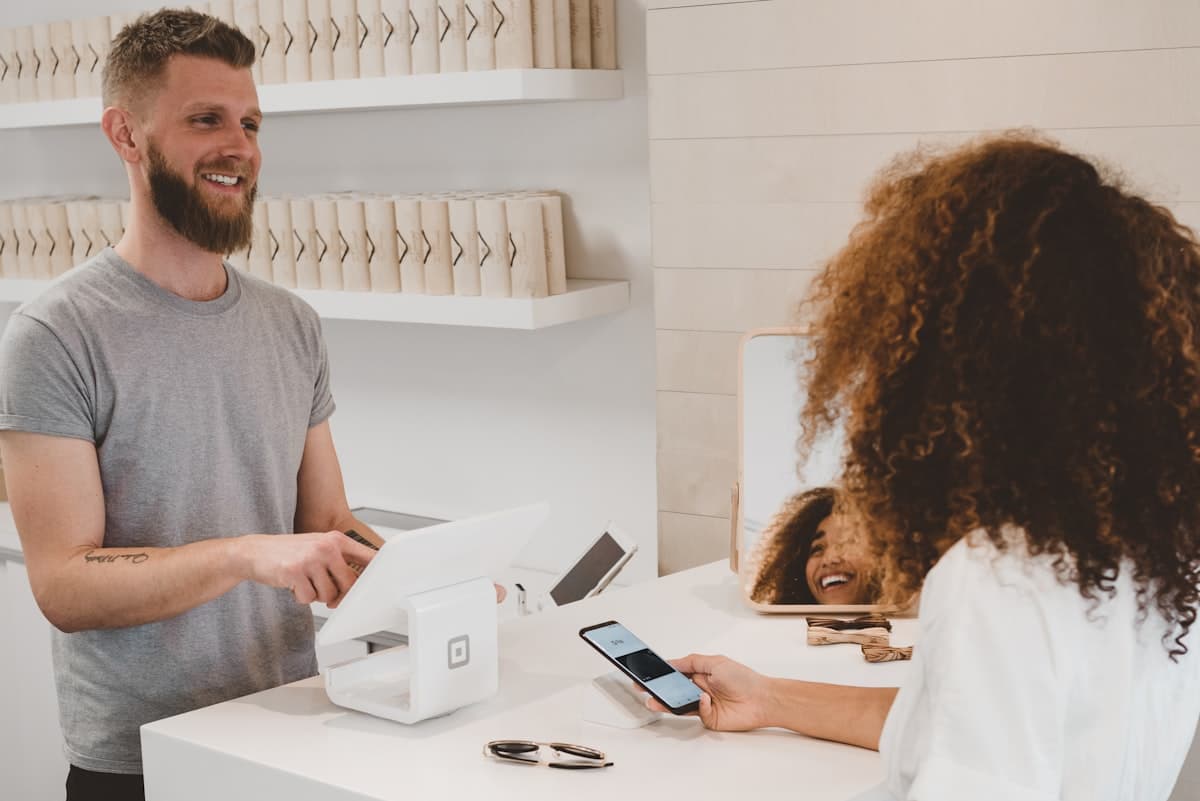
One-click and express checkout is killing the multi-page form. Shop Pay, Apple Pay, Google Pay, and, for the Philippine market, popular wallets like GCash and Maya, let shoppers buy in a tap or two by removing form filling entirely. The stores with the highest conversion in 2026 are the ones that shortened the path between "I want this" and "it's on the way." For more on this, see how to reduce cart abandonment at checkout.
Video and shoppable content blur entertainment and commerce. Product videos, livestream shopping, and shoppable clips where viewers tap an item to add it to cart are gaining ground as native store features, not just social media tactics. Wyzowl's research has reported that video on product pages can significantly lift conversion, and shoppable video extends that by removing the step between watching and buying. More on where video belongs on your site.
What technology shifts are changing e-commerce sites?
The major technology shifts are headless and composable architecture, edge computing for speed, and privacy-first marketing built on first-party data. Together they are pulling serious online stores away from rigid templates and toward faster, more flexible builds.
Headless e-commerce separates the storefront experience from the backend commerce engine, so brands can build unique shopping experiences without being boxed in by a platform's templates. This favors businesses that can invest in custom development, while template platforms continue serving the long tail of smaller stores. For a deeper look, see why brands are decoupling their online stores.
Edge computing puts content on servers nearest each shopper, through networks like Vercel, Cloudflare, and AWS CloudFront. The payoff is sub-second page loads, even for shoppers far from the origin server, which matters a great deal in a market like the Philippines where mobile data quality varies. Since page speed correlates directly with conversion, edge delivery is becoming a competitive necessity rather than a luxury.
Privacy-first marketing is the response to disappearing third-party cookies and tighter privacy rules. Loyalty programs, account incentives, and email capture are replacing cookie-based retargeting as the main way to build and keep customer relationships.
What do online shoppers expect in 2026?
Online shoppers in 2026 expect fast or transparent shipping, easy returns, real-time inventory, multiple payment options, mobile-first design, and honesty about sustainability. These are no longer differentiators; they are the minimum to compete.
Concretely, that means showing reasonable shipping costs early rather than at the final step, offering easy returns with clear instructions, displaying real stock status instead of letting people order sold-out items, and supporting the payment methods your market actually uses, which in the Philippines means cards plus GCash, Maya, and cash-on-delivery for many buyers. It means a store that works flawlessly on a phone, since most local shopping happens on mobile, and a degree of transparency about materials and sourcing that younger buyers increasingly weigh. Meeting these expectations is the cost of entry; exceeding them is how a store wins.

What does a competitive e-commerce site cost in the Philippines?
A custom e-commerce build in the Philippines typically ranges from ₱150,000 to ₱600,000 or more, depending on catalog size, integrations, and how much of the experience is bespoke. A straightforward store on a well-configured platform sits at the lower end; a headless build with custom design, AR, and deep integrations sits higher. The investment tracks the trends above: personalization, fast edge delivery, and a frictionless checkout all take real engineering. For a full breakdown by project type, see our e-commerce website cost guide for the Philippines.
The point is not to buy every trend at once. It is to spend where it moves your numbers: usually checkout friction, mobile experience, and page speed first, then personalization and richer media as the store grows.
E-commerce design FAQ
Do I need augmented reality on my e-commerce site?
Only if your products trigger a "will this work for me?" hesitation, such as furniture, eyewear, makeup, or apparel. For those categories AR meaningfully lifts confidence and lowers returns. For simpler products, strong photography, clear descriptions, and reviews do more for less.
Is headless e-commerce worth it for a small store?
Usually not at first. Headless architecture pays off for brands that need a unique experience and can invest in custom development. A small store is generally better served by a well-configured platform store, moving to headless only when template limits start costing real sales.
What matters most for e-commerce conversion in 2026?
Checkout friction, mobile experience, and page speed, in that order, tend to move conversion the most. Express payment options, a flawless phone experience, and sub-second loads remove the points where shoppers abandon. Personalization and richer media help, but they build on that foundation.
Which payment methods should a Philippine online store support?
At minimum, credit and debit cards plus the wallets your buyers actually use, which in the Philippines means GCash and Maya, and cash-on-delivery for the many shoppers who still prefer it. Offering the payment methods customers expect removes a common reason for cart abandonment.
How much does a custom e-commerce website cost in the Philippines?
A custom e-commerce build typically runs from ₱150,000 to ₱600,000 or more, depending on catalog size, integrations, and how custom the experience is. Simpler platform stores sit at the lower end, while headless builds with bespoke design and advanced features sit higher.
Build a store that meets 2026 expectations
Designing an online store that meets modern expectations while actually driving sales, fast, mobile-first, frictionless at checkout, and built on the right architecture for your stage, is the challenge we take on with every e-commerce project. If you are planning a new store or rebuilding one that has stopped keeping up, book a call.
Related service
Web design services in the PhilippinesFrequently asked questions
Do I need augmented reality on my e-commerce site?
Only if your products trigger a 'will this work for me?' hesitation, such as furniture, eyewear, makeup, or apparel. For those categories AR meaningfully lifts confidence and lowers returns. For simpler products, strong photography, clear descriptions, and reviews do more for less.
Is headless e-commerce worth it for a small store?
Usually not at first. Headless architecture pays off for brands that need a unique experience and can invest in custom development. A small store is generally better served by a well-configured platform store, moving to headless only when template limits start costing sales.
What matters most for e-commerce conversion in 2026?
Checkout friction, mobile experience, and page speed, in that order, tend to move conversion the most. Express payment options, a flawless phone experience, and sub-second loads remove the points where shoppers abandon. Personalization and richer media build on that foundation.
Which payment methods should a Philippine online store support?
At minimum, credit and debit cards plus the wallets buyers actually use, which in the Philippines means GCash and Maya, and cash-on-delivery for the many shoppers who still prefer it. Offering expected payment methods removes a common reason for cart abandonment.
How much does a custom e-commerce website cost in the Philippines?
A custom e-commerce build typically runs from ₱150,000 to ₱600,000 or more, depending on catalog size, integrations, and how custom the experience is. Simpler platform stores sit at the lower end, while headless builds with bespoke design and advanced features sit higher.
Let's build something
great together
Have a project in mind? We'd love to hear about it and explore how we can help bring your vision to life.
Get in touchPillar guideDevelopment · Jan 26
The Modern Web Development Stack: Building for Performance and Scale in 2026
Resources · Apr 26
Icon Libraries and Design Systems: Free Resources Every Web Designer Should Know
Resources · Apr 25
Web Design Inspiration: Where Top Agencies Find Their Best Ideas in 2026
Development · Apr 24