
Business · 8 min read
Dental Practice Marketing: Converting Patient Searches Into Booked Appointments
Patients search dentist near me and book the clinic they trust first. How a dental website wins them with trust, booking, and local SEO, plus PHP pricing.

Share
Key takeaways
- Most Filipino patients search online to find a dentist, so a weak or missing website sends ready-to-book patients to competitors.
- Referrals now depend on online validation because patients usually Google a recommended clinic before calling.
- A dental website should build trust first with real photos, team bios, testimonials, warm copy, and a calm visual style.
- Online booking, clear service pages, HMO and payment details, and emergency info reduce friction and drive appointments.
- A professional dental website in the Philippines typically costs ₱50,000 to ₱150,000, with maintenance from ₱5,000/mo.
When someone in the Philippines searches "dentist near me" or "best dental clinic in Cebu," they are not browsing. They are ready to book. If your dental practice does not have a professional website, those patients land on a competitor's site instead. Dental care is essential, recurring, and intensely local, yet patients have dozens of clinics within a short drive, so your website is often the deciding factor that turns a search into a phone call.
This guide covers why referrals alone no longer carry a dental practice, what a dental website needs to accomplish, and what one costs in the Philippines. For the wider clinic picture, see our guide to healthcare website design in the Philippines.
Why are referrals no longer enough for dental practices?
Referrals are no longer enough because the first thing a referred patient does is Google the clinic name. Word of mouth built dental practices for decades, but the pathway has changed. When a friend recommends their dentist, the referred person looks the practice up before calling, and if they find an outdated site or no site at all, the referral loses credibility and they keep looking.
Your website validates referrals, and for patients who find you through search with no prior referral, it is the only basis for their decision. That makes it the single most important marketing asset most clinics own. The same dynamic plays out across local healthcare, which we cover in how a clinic's website builds trust.
What should a dental practice website do first?
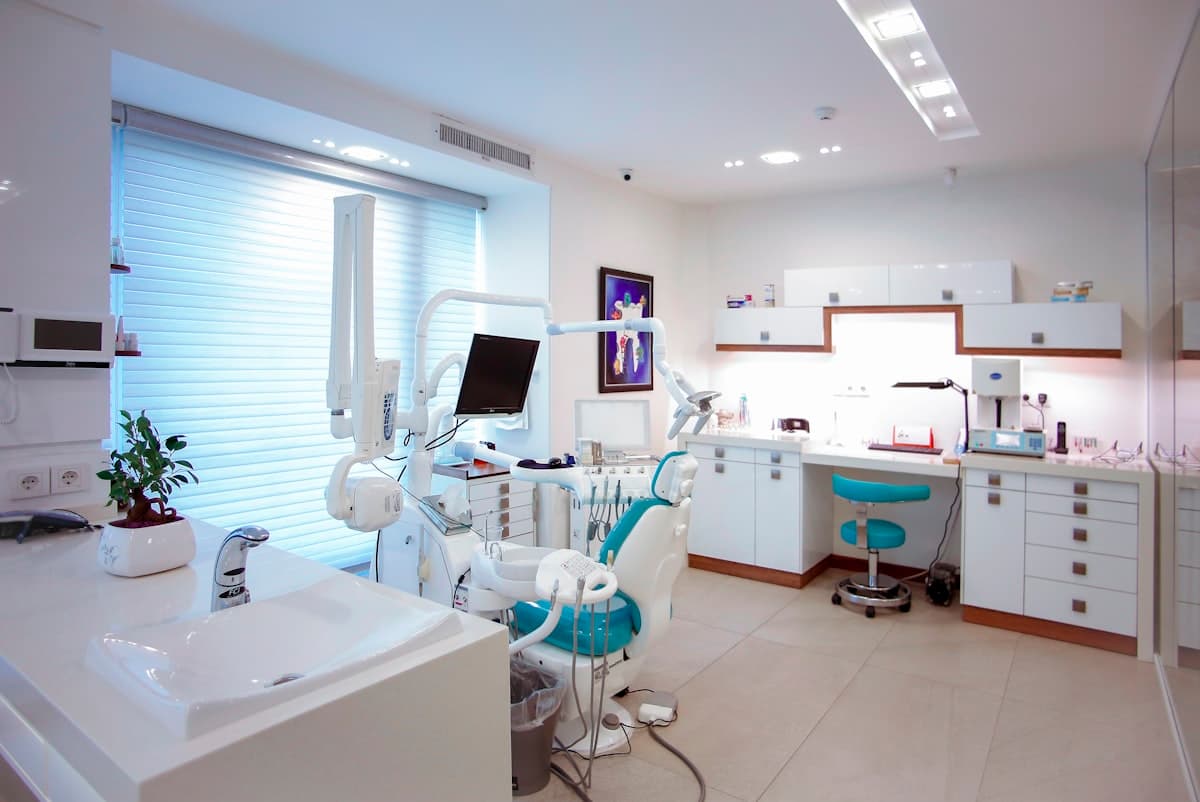
A dental website's first job is to build immediate trust and lower patient anxiety. Dental fear keeps many people from booking, so the site has to address it directly rather than feel clinical and cold. Real photos of your actual clinic instead of stock images, friendly team bios with headshots, genuine patient testimonials about comfort and care, and warm, plain-spoken copy all make the practice feel familiar before the patient walks in.
Design choices reinforce this. A calm, approachable palette signals cleanliness and comfort, while an overly sterile look can feel intimidating, which is why thoughtful color choices in web design carry real weight for clinics. The best dental sites balance professionalism with warmth so a nervous patient feels reassured, not on edge.
Why is online appointment booking important for dentists?
Online booking is important because patients increasingly expect to choose a time without making a phone call, especially younger adults. A visible booking option, whether a scheduling tool, a short request form, or a Messenger or Viber link, lets a patient act the moment they decide, including in the evenings and on weekends when your front desk is closed.
The key is to make it effortless and obvious. Display the booking button prominently on every page rather than burying it on a contact page, and confirm the request quickly so the patient knows it worked. Every extra step between "I should book a cleaning" and "it's booked" is a chance to lose the patient to a clinic that made it easier.
What service pages should a dental website include?
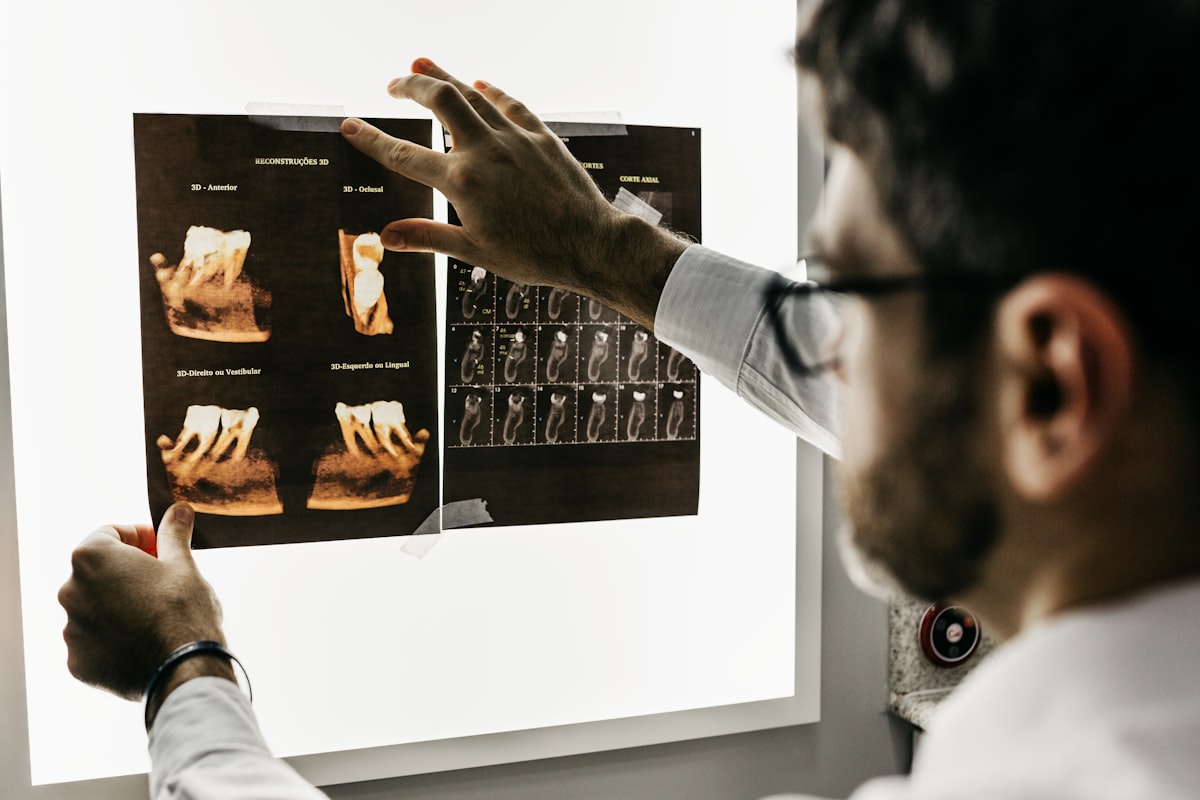
A dental website should give each major service its own page rather than lumping them onto one generic list. Dedicated pages for teeth whitening, dental implants, braces and Invisalign, emergency dental care, pediatric dentistry, and root canals each explain the procedure in patient-friendly language, address common concerns, share pricing ranges where appropriate, and end with a clear path to book.
Individual service pages also drive search traffic for specific, high-value queries. A search like "dental implants in your city" carries far stronger intent than a generic "dentist" search, because the patient already knows what they need. Supporting those pages with a blog that answers real questions, such as how much implants cost locally, whether HMO or insurance covers braces, or how to choose a dentist for nervous patients, attracts patients while they are still researching and builds your topical authority.
How can dental practices improve local SEO?
Dental SEO is local SEO, because nearly every patient search includes a location and Google's map pack dominates the results. To appear there, a practice needs a fully optimized Google Business Profile linked to a website with strong local signals.
The fundamentals are consistent and well established. Claim and complete your Google Business Profile with accurate hours, services, and photos. Keep your practice name, address, and phone number identical across your website, Google profile, and every directory. Add LocalBusiness and Dentist schema markup to the site. And collect Google reviews systematically, because a clinic with many recent, positive reviews tends to win the map pack in competitive markets. For the full framework, our 2026 SEO checklist walks through local optimization in detail.
What features set top dental websites apart?
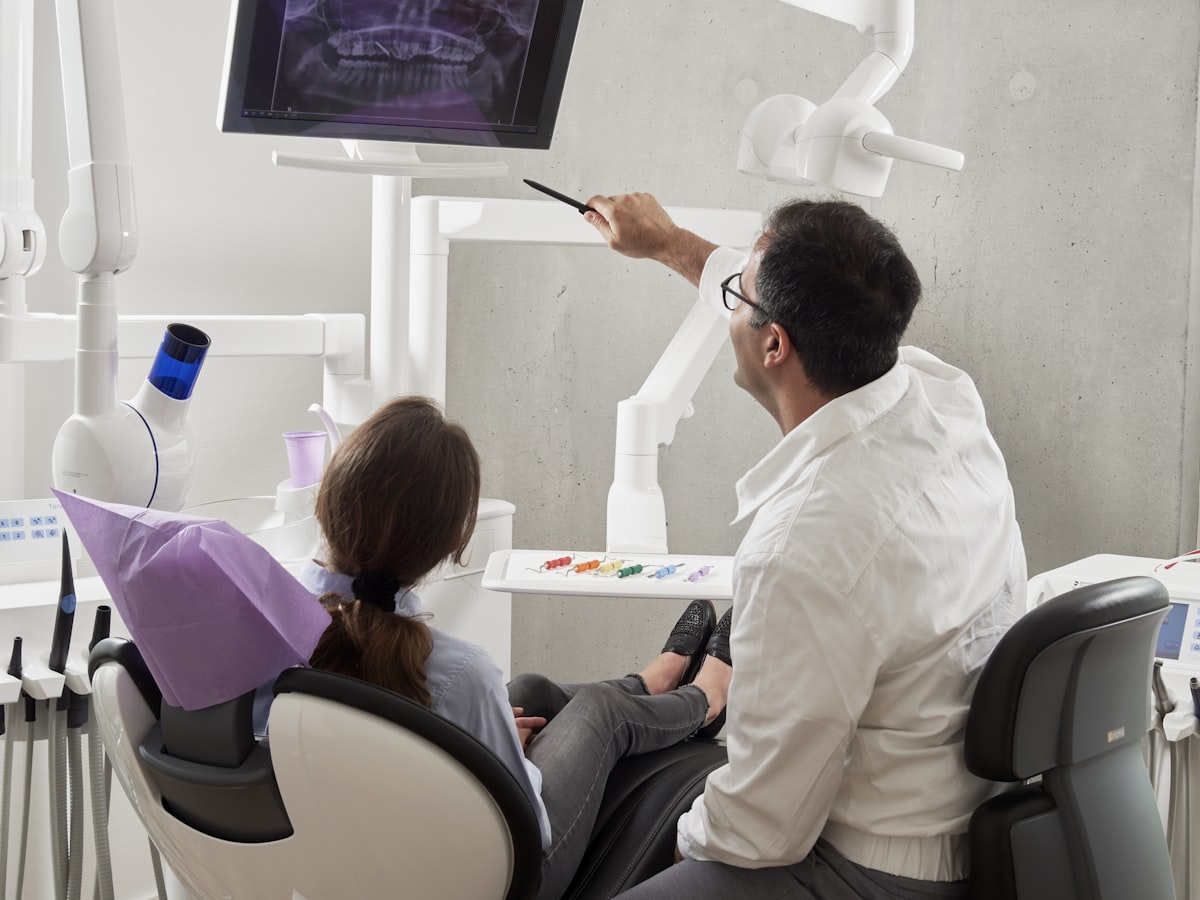
The features that differentiate top dental sites are before-and-after galleries, clear payment and HMO information, and prominent emergency details. Cosmetic patients want visual proof, so a well-organized gallery for whitening, veneers, and aligners, with consistent lighting and short case descriptions, sells results in a way text cannot.
Financial clarity removes a major barrier. A dedicated page listing accepted HMOs and insurance, plus payment options such as GCash, Maya, card, or installment plans, reassures patients before they book, since cost is a top reason people delay dental care. Emergency information matters too, because emergency dental searches spike on evenings and weekends; a visible banner or page with after-hours contact, what counts as a dental emergency, and what to do while waiting often converts a one-time emergency patient into a long-term one.
How much does a dental website cost in the Philippines?
A professional dental practice website in the Philippines typically costs ₱50,000 to ₱150,000 (around $900 to $2,700), covering custom design, service pages, online booking, payment and HMO details, and a local SEO foundation. Practices wanting a patient portal, multi-branch structure, or deeper SEO often move to a custom marketing site at ₱150,000 to ₱350,000, while a basic template presence can start at ₱15,000 to ₱50,000.
| Build type | Typical price (PHP) | USD equivalent | Best for |
|---|---|---|---|
| Template site | ₱15,000 to ₱50,000 | $270 to $900 | A basic presence, limited booking tooling |
| Professional clinic site | ₱50,000 to ₱150,000 | $900 to $2,700 | Service pages, booking, payment and HMO info |
| Custom marketing site | ₱150,000 to ₱350,000 | $2,700 to $6,300 | Patient portal, multi-branch, deeper SEO |
Ongoing maintenance, if you want the site managed for you, generally runs ₱5,000 and up per month. Because a single patient relationship can last years across cleanings, fillings, and larger procedures, a site that brings in a few extra new patients a month tends to pay for itself quickly. For the full breakdown, see our web design cost guide for the Philippines.
Frequently asked questions
Why are referrals not enough for dental practices anymore?
Referrals are no longer enough because referred patients Google the clinic before calling. If they find an outdated website or none at all, the referral loses credibility and the patient may choose another dentist. The website validates referrals and is the only basis for patients who find you through search.
What should a dental practice website do first?
A dental website's first job is to build immediate trust and ease patient anxiety. Real clinic photos, friendly team bios, genuine testimonials, warm copy, and a calm, approachable design make the practice feel familiar and reassuring before a nervous patient ever walks through the door.
Why is online appointment booking important for dentists?
Online booking is important because patients increasingly expect to choose a time without phoning, especially younger adults. A visible booking tool, form, or Messenger and Viber link lets patients act the moment they decide, including evenings and weekends, and reduces the friction that sends them to an easier-to-book clinic.
How can dental practices improve local SEO?
Practices improve local SEO by claiming and completing their Google Business Profile, keeping name, address, and phone consistent across all listings, adding LocalBusiness and Dentist schema, and collecting Google reviews systematically. These signals help the practice appear in the local map pack where most dental searches are decided.
What service pages should a dental website include?
A dental website should include dedicated pages for major services such as teeth whitening, dental implants, braces and Invisalign, emergency dental care, pediatric dentistry, and root canals. Each should explain the procedure in patient-friendly language, address common concerns, include pricing ranges where appropriate, and offer a clear booking path.
If you want a website that turns dental searches into booked appointments, book a call and we will walk you through what your build would cost. You can also explore our services or see how we have helped other businesses.
Related service
Web design services in the PhilippinesFrequently asked questions
Why are referrals not enough for dental practices anymore?
Referrals are no longer enough because referred patients Google the clinic before calling. If they find an outdated website or none at all, the referral loses credibility and the patient may choose another dentist. The website validates referrals and is the only basis for patients who find you through search.
What should a dental practice website do first?
A dental website's first job is to build immediate trust and ease patient anxiety. Real clinic photos, friendly team bios, genuine testimonials, warm copy, and a calm, approachable design make the practice feel familiar and reassuring before a nervous patient ever walks through the door.
Why is online appointment booking important for dentists?
Online booking is important because patients increasingly expect to choose a time without phoning, especially younger adults. A visible booking tool, form, or Messenger and Viber link lets patients act the moment they decide, including evenings and weekends, and reduces the friction that sends them to an easier-to-book clinic.
How can dental practices improve local SEO?
Practices improve local SEO by claiming and completing their Google Business Profile, keeping name, address, and phone consistent across all listings, adding LocalBusiness and Dentist schema, and collecting Google reviews systematically. These signals help the practice appear in the local map pack where most dental searches are decided.
What service pages should a dental website include?
A dental website should include dedicated pages for major services such as teeth whitening, dental implants, braces and Invisalign, emergency dental care, pediatric dentistry, and root canals. Each should explain the procedure in patient-friendly language, address common concerns, include pricing ranges where appropriate, and offer a clear booking path.
Let's build something
great together
Have a project in mind? We'd love to hear about it and explore how we can help bring your vision to life.
Get in touchPillar guideBusiness · Apr 27
Building Authority Online as a Coach or Consultant: A Web Strategy That Converts
Business · Mar 21
How Tutoring Businesses Attract Students Online: From Search to Enrollment
Business · Mar 18
The Fitness Coach’s Online Playbook: Building Trust Before the First Session
Business · Mar 11